Revered as the greatest modern Chinese Chan master. Honorary president of the Chinese Buddhist Association, 1953.
The chronicle is dictated in part by him and attendants recorded the last years. Independent records are thin, and his birth date itself is in doubt.
Attendants' records of 1951, as printed in the chronicle (written 8 years before their death)
Paper trail
Where they came from
Quanzhou Prefecture headquarters, Fujian, China, by his own chronicle; not checked against a record (traditional)
Yunnan, Fujian, Guangdong and Jiangxi
Stupa at Yunju Shan, Yongxiu, Jiangxi. Visited by Buddhists.
By his own chronicle, son of an official. Only hagiography for this.
Gushan monastery by tradition; long pilgrimages. Followers point to his awakening at Gaomin Temple, Yangzhou, by tradition.
Fall of the Qing, wars, the campaigns against Buddhism, and the 1951 beating.
Monks and lay patrons from the 1900s, overseas Chinese Buddhists, and after 1959 Luk's English translation.
Life
The traditional account has Xuyun born in 1840 to an official's family, leaving home as a young man, and making vast pilgrimages, including one to Mount Wutai with prostrations every three steps. Daniela Campo, the leading historian of his life, places his birth about 1864, and this shifts every age in the story.
He rebuilt monasteries at Jizu Shan, Gushan, Nanhua, Yunmen and elsewhere. He told his life up to his 112th year by traditional count, and his editor, the layman Cen Xuelü, published the chronicle after his death with his attendants' records of later years.
In spring 1951, at Yunmen, a large group of cadres or militia surrounded the monastery and searched it for arms and gold. Monks were arrested and beaten, and at least one was killed. Xuyun was beaten over several days and was left for dead. Wikipedia reports that Zhou Enlai ended the detention after three months at Li Jishen's request. He was honoured by the new Buddhist Association in 1953, rebuilt Zhenru monastery at Yunju, and died there in October 1959.
Images
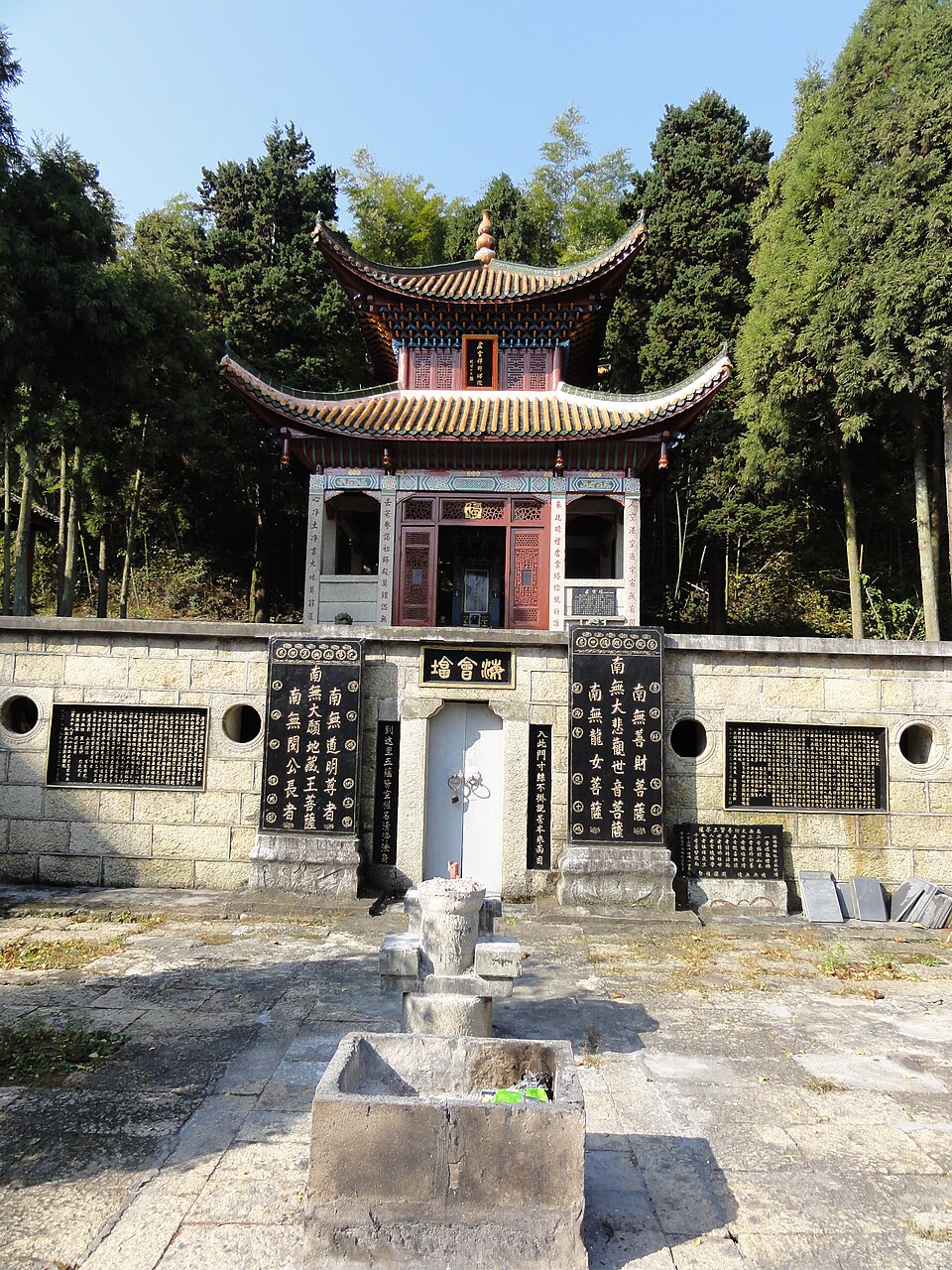
Image 1 is small and its copyright basis is weak; marked commercialOk false.
Reported events
A lifespan of 119 years
Tradition gives his life as 1840 to 1959, and the chronicle says he died in his 120th year.
Reported by Xuyun's dictated chronicle, his editor Cen Xuelü and his disciples.. Recorded Chronicle in print by 1961 at the latest..
Campo, comparing accounts, proposes about 1864, which would make him about 95, a long but ordinary life. Her biography is built on the distance between hagiography and history. Any clan genealogy that survives would settle it. We read her position in summaries only.
His chronicle gives this age, but no birth record exists, and Campo proposes about 1864. An age of 119 is near the known human limit, so scored as unusual, with history against it. Reviewer's judgment, not a calculation.
Sources: Empty Cloud: The Autobiography of the Chinese Zen Master Xu Yun; La construction de la sainteté dans la Chine moderne: La vie du maître bouddhiste Xuyun; Xuyun he shang nian pu
Surviving the Yunmen beating
On several days in spring 1951 he was struck with wooden sticks and iron bars until he bled and his ribs broke. He was left for dead on the floor and returned to meditation posture, and he recovered.
Reported by Attendants Fa-yun and Kuan-shan and the chronicle edited by Cen Xuelü; records were smuggled out in the folds of Chinese books, per Hunn.. Recorded 1951 and soon after, in records smuggled out..
The event is accepted in the scholarly outline as we could read it, though we found no Communist government record. His true age, if Campo is right, was about 87. Survival remains remarkable but is not impossible. The monks named in the attendants' account are at odds with Hunn's preface: Miao-yun beaten to death, or Miao-yuan executed.
Named attendants, with records smuggled out soon after, though the sources disagree on details. Survival at his true age is remarkable but not impossible. Reviewer's judgment, not a calculation.
Sources: Empty Cloud: The Autobiography of the Chinese Zen Master Xu Yun; Xuyun
The dream of Maitreya's heaven
After being thought dead for a day he woke and dictated that he had gone to Tushita heaven, met dead abbots, and been told by Maitreya to go back.
I dreamed that I went to the inner chamber of Maitreya Buddha
Reported by Xuyun, dictated to his attendant Fa-yun.. Recorded 1951, by his account taken down at once..
A first-person statement, reportedly dictated on waking. He described it himself as a dream. His attendant found no breath; the test was a lamp-wick held at the nostrils, which is no medical sign of death.
Event scored: the dream as an experience, reportedly dictated on waking. He called it a dream himself, and the test for breath was no medical sign of death. Reviewer's judgment, not a calculation.
Sources: Empty Cloud: The Autobiography of the Chinese Zen Master Xu Yun
The beggar Wen-ji
During his pilgrimage to Wutai, starving in snow, he was saved by a beggar named Wen-ji, who later met him again. He came to believe this was Manjusri.
Reported by Xuyun in his chronicle.. Recorded Dictated decades later..
The note in Luk's translation says that Chinese Buddhists take Wen-ji to be Manjusri. The account is unverifiable and has the form of a classic pilgrim's tale.
Dictated about sixty years later, in the form of a classic pilgrim's tale. A helpful beggar is ordinary; the identification with Manjusri is not scored. Reviewer's judgment, not a calculation.
Sources: Empty Cloud: The Autobiography of the Chinese Zen Master Xu Yun
Relics in the ashes
At his cremation on 19 October 1959 the air was said to fill with fragrance, and over a hundred large relics of five colours were found.
Reported by His attendants, in the chronicle.. Recorded Printed by 1961..
Monks reported this about one of their own, in a known genre. Whether the relics survive was not found.
Attendants wrote within about two years, in a known genre, and whether the relics survive was not found. Calcified fragments are a common result of cremation. Reviewer's judgment, not a calculation.
Sources: Empty Cloud: The Autobiography of the Chinese Zen Master Xu Yun
Disputes
- Age. Campo proposes about 1864 against the traditional 1840, which undercuts much of the legend.
- The chronicle is partly dictated autobiography, and Campo treats it as a shaped religious biography. Editors added to it, and Hunn revised Luk's text.
- His relation to the new state is complex: beaten at Yunmen in 1951, an honorary leader of the state-sponsored Buddhist Association in 1953. Reports of his attempts to protect monasteries come mostly from disciples and overseas Buddhists.
- Who attacked Yunmen, and on whose orders, is not established in what we read. The chronicle says thugs; Hunn says cadres; Wikipedia gives an arrest and torture.
Still unknown
- Any Chinese government or local party record of the Yunmen incident: Guangdong provincial archives, if open.
- His clan genealogy, the likely best evidence for his birth year.
- Welch's treatment of Yunmen in Buddhism under Mao (1972), not opened.
- Campo's full argument, in La construction de la sainteté dans la Chine moderne (Les Belles Lettres, 2013) and her chapter in Making Saints in Modern China (Oxford, 2017), pp. 99-136.
- The manuscripts seized at Yunmen in 1951, said to be his commentaries and sayings.
Records
Sources
primary
contemporary
scholarly
reference