Servant of God. Regensburg opened a beatification cause in 2005. Not beatified.
Doctors, a diocese, reporters and her own circle wrote in her lifetime. The evidence is rich, but the key test was never allowed.
Medical notes and press of 1926-27, including Ewald 1927 (written 35 years before their death)
Paper trail
Where they came from
Konnersreuth, Bavaria, Germany (documented)
Konnersreuth
Konnersreuth; exact grave details not checked.
Daughter of Ferdinand Neumann, tailor, and Anna Grillmeier. Large and poor family; not a clerical lineage.
Village school and farm service. She had hoped to be a mission sister. Parish priest Josef Naber guided her, and critics give him a large role.
The First World War, the 1918 accident and years in bed. German Wikipedia describes her as a known opponent of Hitler.
Her parish and visitors first, then an article by Erwein von Aretin in 1927, then international press.
Life
Therese was the eldest child of a tailor in Konnersreuth, in the Upper Palatinate, and worked as a farm servant. A fall or series of falls from 1918, during a fire and afterward, left her bedridden, and she said she became blind in 1919.
She regained her sight in 1923, on a date sources give variously, and her mobility in 1925, attributing both to Therese of Lisieux. From Lent 1926 she was reported to bleed from the eyes, hands, feet and side in Friday ecstasies, and she came to claim she took no food beyond communion.
Newspapers made her famous in 1927. The Regensburg diocese ran a watched fortnight in July 1927, but her family would not allow observation in a clinic. The bishops pressed again in 1932 and from 1936 to 1937. Her circle included the journalist Fritz Gerlich, who founded the anti-Nazi paper Der gerade Weg with her encouragement.
She lived in Konnersreuth until 1962. Her supporters founded institutions nearby, and a cause opened in 2005, while critics such as the priest Josef Hanauer called the whole affair a fraud.
Images
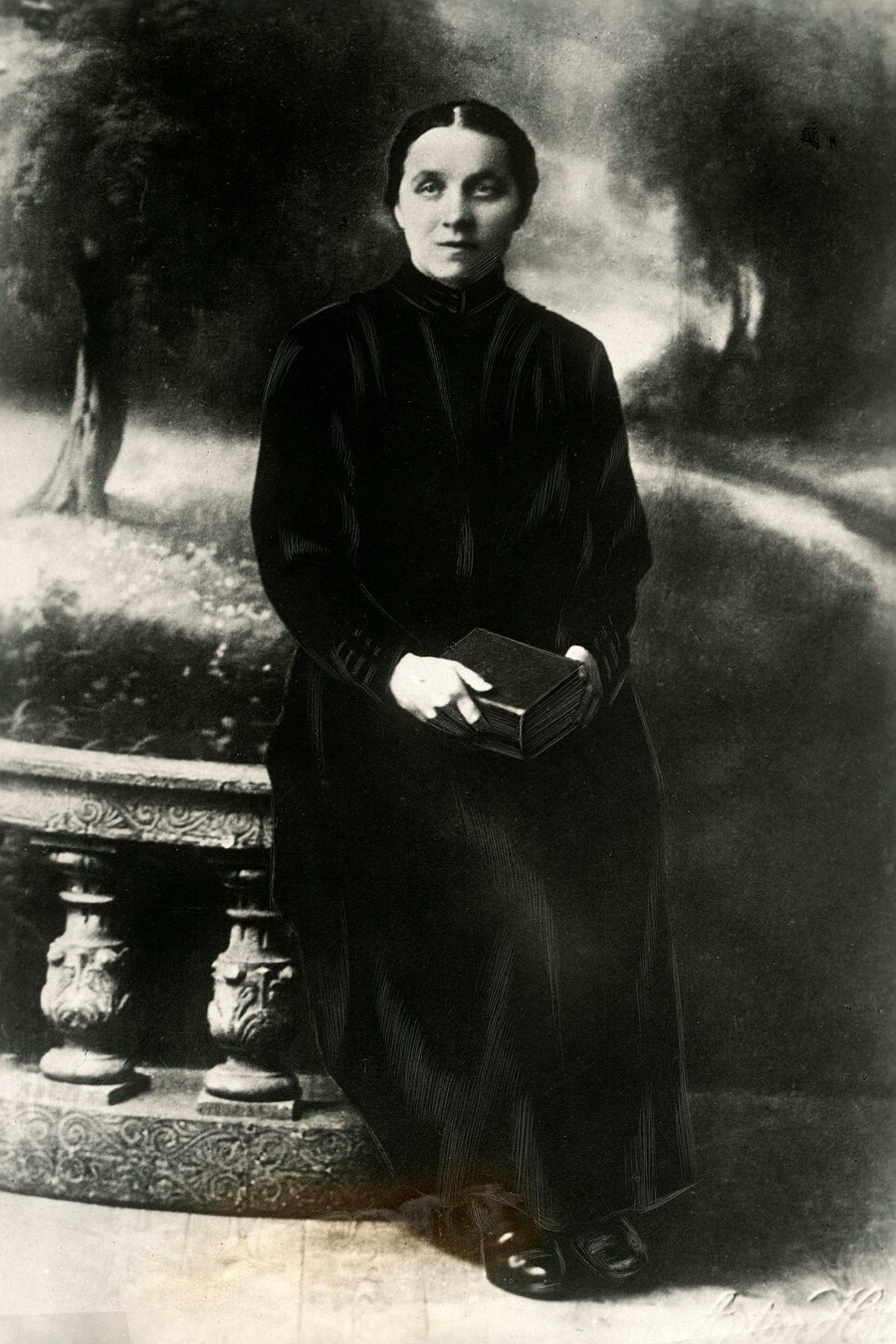
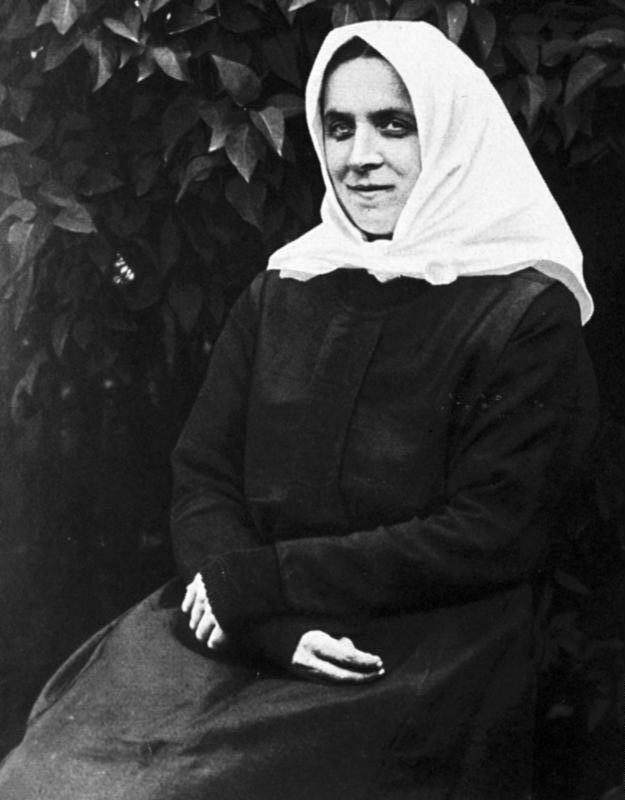
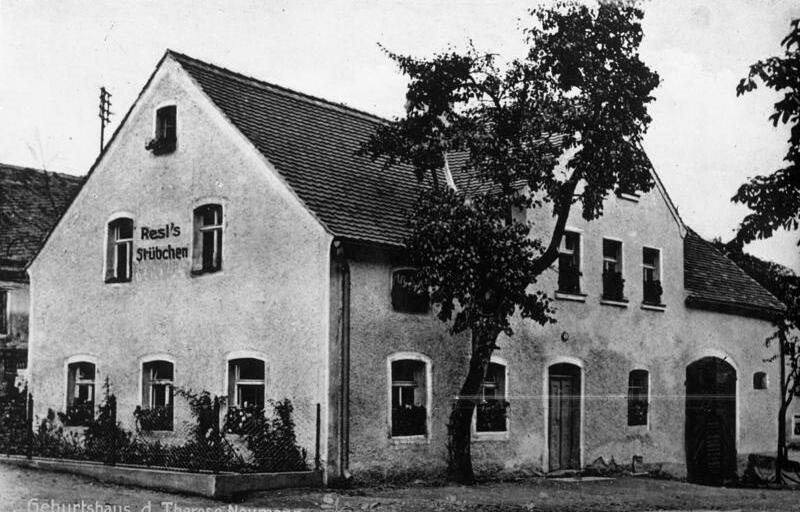
Reported events
Living without food
She was said to take nothing but communion from about 1926 until death. During a watched fortnight from 14 July 1927 four sworn Franciscan nurses under Dr Seidl reported she took no food.
she was never found taking food or drink, nor even trying to do so
Reported by Four nurses, Dr Seidl, Bishop of Regensburg's report, Prof. Ewald. Recorded 1927, in official report and Ewald's publication.
The watch lasted about two weeks, at home, with family near. Her weight fell from 121 to 112.5 pounds and then returned, which a 2008 paper reportedly read as evidence against total fasting. The New Catholic Encyclopedia says conditions make it impossible to treat the test as guaranteeing an absolute fast. The bishop and Holy Office asked for a clinic test in 1936-37 and the family refused. Hanauer cited a niece's observations of eating, and Gerlinde von Westphalen in 2022 called it pious fraud on the basis of private files.
Four sworn nurses and a bishop's report establish the fortnight's watch, which earns the upper band. Scored is decades without food: her weight fell during the watch, a clinic test was refused, and critics allege fraud. Known here only through a summary, so lowered by about 10. Reviewer's judgment, not a calculation.
Sources: Konnersreuth: A Medical and Psychological Study of the Case of Teresa Neumann; Therese Neumann (German Wikipedia mirror); Neumann, Theresa; Therese Neumann
The stigmata
Wounds and bleeding were reported from Lent 1926, especially on Fridays.
Reported by Family, parish priest, visiting doctors, Ewald. Recorded From 1926.
Ewald, a psychiatrist, reported that several doctors saw bleeding begin spontaneously, ruled out artificial causes, and treated the phenomena as psychogenic within severe hysteria. Killermann, visiting in 1928, doubted it. Martini of Bonn found her conduct suspicious. Hanauer said onlookers saw blood, not bleeding as it began. Braun, Demling and Loew (2020) review Ewald's material.
Several doctors reported bleeding, and a psychiatrist ruled out artificial causes, but others doubted it and onlookers may have seen blood, not its onset. The family controlled access. Known here only through a summary, so lowered by about 10. Reviewer's judgment, not a calculation.
Sources: Die 'Volksheilige' Therese Neumann von Konnersreuth und ihre Stigmata; Therese Neumann (German Wikipedia mirror); Therese Neumann; Neumann, Therese
Cures of blindness and paralysis
She said her sight returned in 1923 and her paralysis and sores healed in 1925 through Therese of Lisieux.
Reported by Therese herself, family, parish priest; Dr Seidl. Recorded 1923 to 1925.
Ewald confirmed a diagnosis of severe hysteria with blindness and partial paralysis, which points to a functional condition. Hynek disputed this. Sources give different dates for the 1923 cure: 29 April or 24 June. Siwek found insufficient evidence that the illness was organic.
Recovery is well attested, by family and physicians, within a few years. The diagnosis of hysteria points to functional illness, which can lift suddenly. Known here only through a summary, so lowered by about 10. Reviewer's judgment, not a calculation.
Sources: Die 'Volksheilige' Therese Neumann von Konnersreuth und ihre Stigmata; Therese Neumann (German Wikipedia mirror); Therese Neumann; Neumann, Therese
Speaking Aramaic in ecstasy
Visitors reported she uttered Aramaic words during Passion visions.
Reported by Visitors and supporters. Recorded From the late 1920s.
Hanauer argued that the effect arose from suggestive questioning by visitors. Later supporters include the scholar Gunther Schwarz. We did not examine their data.
Visitors report it, and Hanauer argued it came from cues in their questions. Neither side's data were examined. Known here only through a summary, so lowered by about 10. Reviewer's judgment, not a calculation.
Disputes
- The family's refusal of clinical observation is the central weakness: Time reported in January 1933 that her father rejected the Bavarian bishops' request for a long examination.
- Father Josef Hanauer wrote sustained attacks on the case and called the beatification campaign 'Volksverdummung' (stultifying the people) in 1997.
- Dr Seidl is named Otto in English sources and Otmar on the German page I read; his 1928 report called her a hysteric, per Wikipedia.
- German Wikipedia says the Regensburg gazette held that a clinic would not have given a better result, while Hynek and others show the bishop had wanted a hospital test.
Still unknown
- Ewald's 1927 text and Seidl's report, in full: Munich medical journal and Regensburg archives.
- The cause's files, with over 60 witnesses reported, held at the Diocese of Regensburg. Status of the cause not confirmed beyond a 2021 sermon saying it was officially open.
- The private files used by von Westphalen in 2022.
Records
Sources
primary
contemporary
scholarly
reference