Worshipped across India as a saint and by many as divine. The Shri Sai Baba Sansthan manages the Shirdi shrine.
Khaparde's diary was kept in his lifetime, and witnesses, including a sceptical policeman, gave dated statements in 1936. The grade covers about 1895 to 1918 only; his first decades are almost undocumented. Khaparde's diary text itself was not read here.
Das Ganu's verse lives, which he says were printed in Baba's lifetime; Khaparde's Shirdi diary from December 1910 (written 8 years before their death)
Paper trail
Where they came from
Unknown. Nothing opened here documents any birthplace. Coordinates given are for Shirdi, where he first appears. (unknown)
Shirdi, from about 1858 until death
Samadhi Mandir, Shirdi; heavily visited and managed by the Shri Sai Baba Sansthan Trust
Unknown. Before the commissioner he gave his father's name as Sai Baba, and devotees' inquiries found nothing firm.
He named a guru, Venkusa, in the court examination and on other occasions, according to Das Ganu. The identification is unsupported by outside evidence. His practice combined Muslim fakir habits with Hindu forms.
No personal crisis is recorded. Plague, cholera and the influenza of 1918 surrounded his last years, and devotees sought his udi in those outbreaks.
Village reverence came first. Das Ganu, a former police havildar, spread his name through kirtan performances and verse, and says some of it was printed in Baba's lifetime. Nana Saheb Chandorkar, a revenue official, brought educated devotees. Narasimhaswami, who arrived eighteen years after his death, carried the cult across India from 1936.
Life
Nothing certain is known of his birth, parents or religion. He is said to have appeared at Shirdi as a youth of about sixteen, left, and returned for good around 1858, but biographers disagree. Old residents interviewed in 1936 gave Das Ganu conflicting memories of his age, and Das Ganu himself concluded that nothing definite was known.
He lived in a dilapidated mosque, kept a sacred fire (dhuni), begged his food, and gave out its ash, called udi. He said Allah Malik, God is master. According to the geology professor G. G. Narke, a devotee, he rarely claimed divinity outside ecstatic moods.
From about 1910 his fame spread to Bombay. Government servants and lawyers came, including G. S. Khaparde, a nationalist politician who kept a diary at Shirdi from December 1910, and Govind Dabholkar, who reached Shirdi in 1910 and collected the stories published in Marathi in 1930 as the Shri Sai Satcharitra.
He died at Shirdi on 15 October 1918, the festival day of Vijayadashami, in an influenza year, after a fever and a period of not eating. The police officer at Kopergaon stated in 1936 that his cash at death came to sixteen rupees.
They Call me Sai Baba
Images
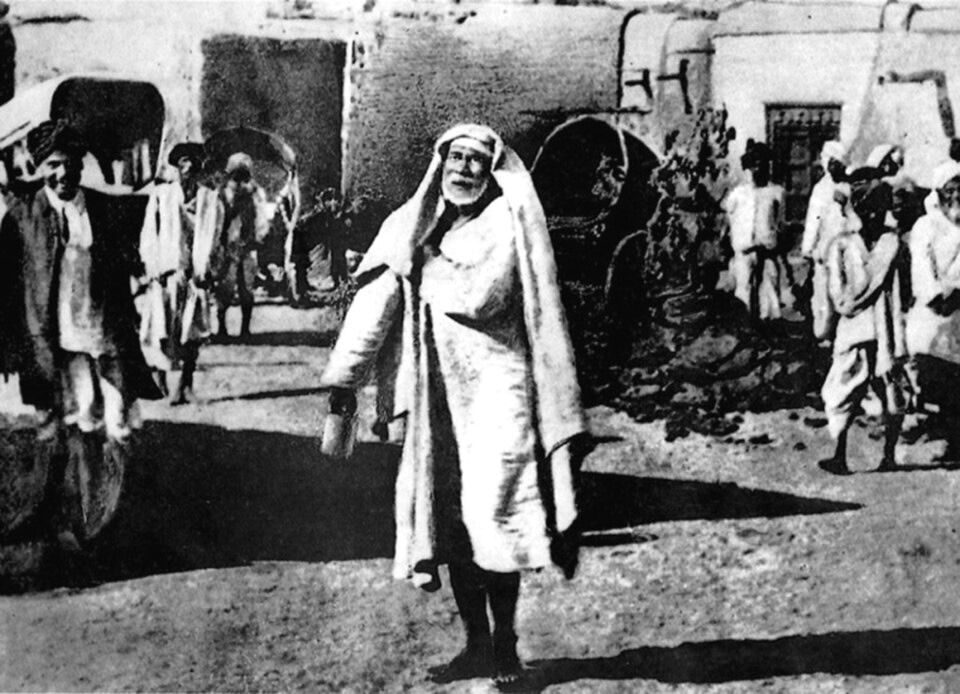
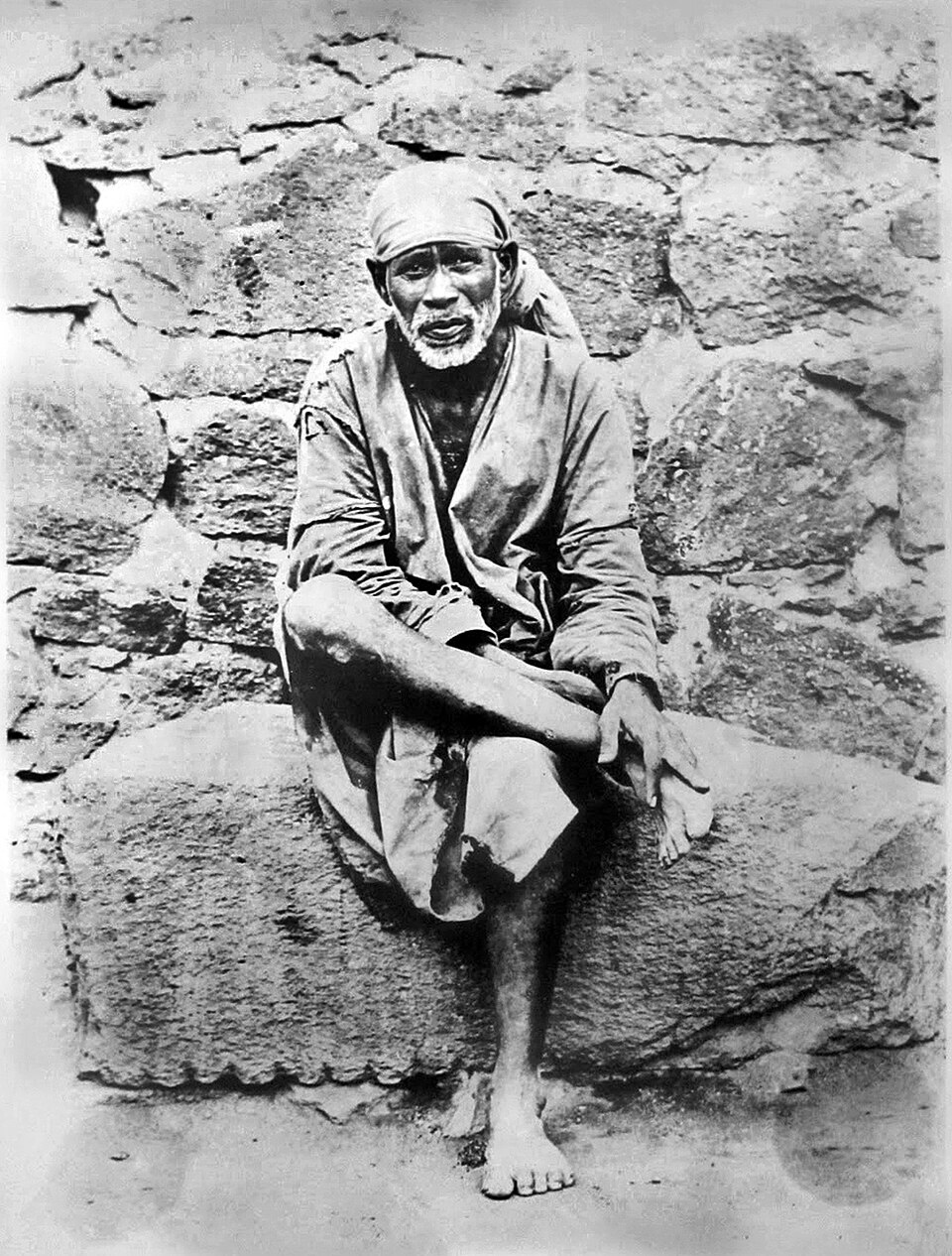
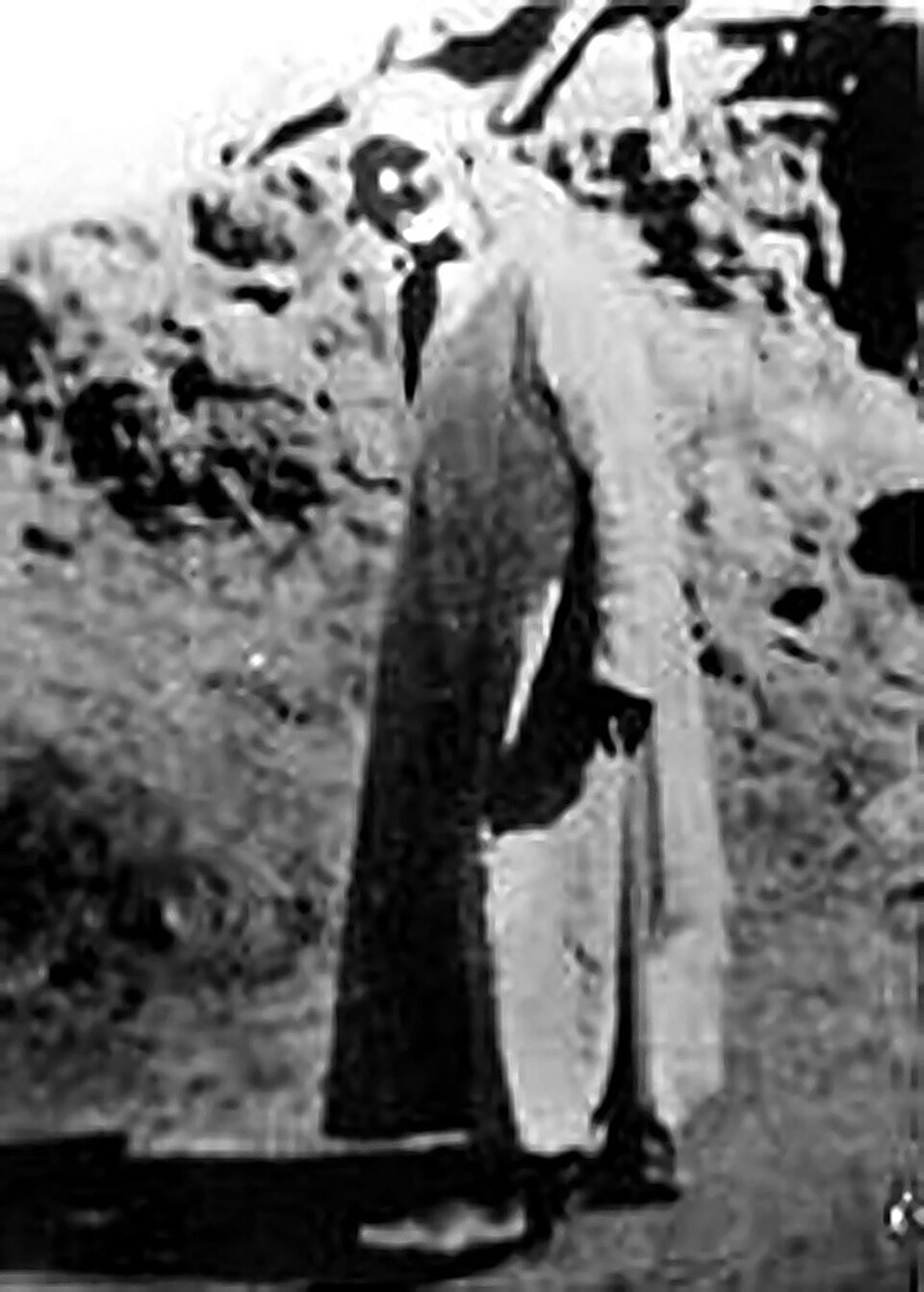
Reported events
The Dhulia court examination
A man accused of stealing jewels said Baba had given them to him. Baba reportedly threw the summons in his fire and swore at the constable, a mahazar (petition) was sent, and a magistrate came to Shirdi. Baba gave his name as Sai Baba, his caste as God, and his age as lakhs of years. Village diaries showed the accused had not been there.
Parvardigar (i.e. God)
Reported by Das Ganu (Ganpatrao Sahasrabuddhe), devotee and former police havildar, who says he was present when the warrant arrived. Recorded Statement to Narasimhaswami, 1936.
This is a natural event, recorded about three decades or more later, and the wording is one devotee's memory. The source's sequence places it before 1903, and we found no support for a 1911 date. The court file has not been found. If located it would be the best document of his life, since a magistrate would have written down his answers.
A devotee who says he was present, speaking about 33 years later. The event is ordinary, but the court file that would settle it has not been found. Reviewer's judgment, not a calculation.
Sources: Devotees' Experiences of Sri Sai Baba, Parts I to III
More money given than received
A Christian police officer at Kopergaon says his men watched Baba, that he gave away hundreds of rupees daily, that receipts seemed smaller than payments, and that only sixteen rupees were found at his death. He concluded Baba had divine powers.
We were watching Baba through our men.
Reported by Chakra Narayana, police Fouzdar at Kopergaon in 1918, a declared non-believer at the time. Recorded Statement dated 20 October 1936.
Valuable because it reveals that police watched him and took custody of his cash. The accounting was not systematic, and devotees' gifts of dakshina were large and hard to count. Eighteen years separate event and statement. The police inventory, if it survives, would settle the figure.
A police officer and non-believer at the time, though speaking 18 years on and by then an admirer. The counting was loose and gifts were hard to track. Reviewer's judgment, not a calculation.
Sources: Devotees' Experiences of Sri Sai Baba, Parts I to III
Knowledge of a concealed banknote
Baba asked a visiting police officer for dakshina, told him there was a fifty rupee note in his purse, took a little, and warned him he would soon need the rest. The officer is said to have fallen into trouble soon after.
Reported by Chakra Narayana, who gives it as a story about another officer. Recorded 1936.
Hearsay about an unnamed officer. The source does not say the teller was present. Nothing corroborates it.
Hearsay about an unnamed officer, and the teller does not claim to have been present. Nothing corroborates it, and it ranks with other unproved claims of hidden knowledge. Reviewer's judgment, not a calculation.
Sources: Devotees' Experiences of Sri Sai Baba, Parts I to III
Immunity in plague and leprosy contact
G. G. Narke says Baba disregarded sanitary precautions in plague and cholera outbreaks. He took sweets from a plague-hit house for offering, and a leper's udi was shared among devotees, with no known harm.
Reported by G. G. Narke, professor of geology and chemistry at Poona and a devotee. Recorded Statements of May 1936.
Narke reports absence of known harm, which is weak evidence since nobody tracked those who received the food. It tells us how devotees reasoned about him. Plague is not readily spread through sweets, and leprosy is poorly contagious, so harm would rarely have been visible.
A named professor reports the handling of infected food 18 years later. Absence of known harm is weak evidence, since nobody followed those exposed. Reviewer's judgment, not a calculation.
Sources: G. G. Narke statement
Disputes
- Hindu or Muslim: he lived in a mosque, dressed as a fakir, and invoked Allah, and Hindu devotees came to treat him as an incarnation of Dattatreya. Karline McLain argues that Narasimhaswami's emphasis on Hindu philosophy and ritual shaped how Hindus and non-Hindus could approach him.
- Nearly all available literature is devotional, as Smriti Srinivas notes. Dabholkar began the Satcharitra with Baba's reported blessing and wrote as a believer.
- Narasimhaswami, who gathered the statements, never met him, and the statements were taken eighteen years after his death.
- Sathya Sai Baba later claimed to be his reincarnation. Nothing in the Shirdi record supports or addresses this claim.
Still unknown
- Birth, parents and religion: no record known. The Das Ganu statement suggests the question was already unanswerable in his lifetime.
- The Dhulia court file and commission report, and its date. Try Dhule district court records and Maharashtra State Archives, Mumbai.
- The Shirdi village diary mentioned by Das Ganu, and any Kopergaon police records, including the cash inventory of October 1918.
- The complete text of Khaparde's Shirdi diary. V. B. Kher doubted that all of it had been published.
Records
Sources
primary
hagiography
scholarly
reference