Revered as a renewer of faith by the Nur movement, with millions of readers. He has no formal sainthood, a status that does not exist in Sunni Islam, though followers speak of his wonders.
His own vast writings, defence speeches and state records survive. Almost everything about wonders comes from him or his students, and his collected works still await independent editing against the court files.
His own defence, Divan-ı Harb-i Örfi, 1909 (written 51 years before their death)
Paper trail
Where they came from
Nurs village, Hizan district, Bitlis, Turkey (documented)
Eastern Anatolia and Istanbul until 1925, then places of exile in western and central Anatolia
First buried at Urfa, by press accounts at the Halil-ür Rahman dergah. Removed by the army in 1960 to a place not officially disclosed. Rival accounts name Isparta.
Kurdish village family. Father Mirza, known locally as a Sufi; mother Nuriye. Brother Abdullah gave him his first lessons. Not a prominent lineage, per the Diyanet Foundation encyclopedia.
Moved quickly among village madrasas, and by his own account studied continuously for only three months at Doğubayazıt. Later read modern science at Van. The turn to the New Said after 1918 is what followers point to.
War and collapse of the Ottoman Empire, Russian captivity, the abolition of the caliphate and of religious schools, exile from 1925, and about twenty-five years of prosecution.
Fame for memory and debate began among scholars in the east and Istanbul. The reputation for holiness grew through student networks that hand-copied his writings, and the trials publicized him. His students compiled Tarihçe-i Hayat in his lifetime.
Life
Said was born in the Kurdish village of Nurs near Bitlis. The Turkish Diyanet Foundation encyclopedia reports that his father Mirza was locally known as a Sufi, and that he received a licence from Shaykh Muhammad Celali at Doğubayazıt at fourteen. A scholar in Siirt reportedly gave him the name Bediüzzaman, Wonder of the Age. He stayed with the governors of Bitlis and Van, reading modern science in the library of Tahir Pasha.
In 1907 he came to Istanbul to press for a university in the east. His behaviour led to his being sent to the Toptaşı asylum, where a doctor's report cleared him. He spoke for the constitution in 1908, was arrested after the 31 March 1909 uprising, tried by court martial, and acquitted. In the First World War he led volunteers, was captured by the Russians in 1916, was held at Kostroma, and escaped by way of Germany and Austria in 1918.
After a brief stay in Ankara, where he addressed the Assembly in November 1922, he withdrew from politics, marking the turn he called the New Said. He was removed from Van in the wake of the Sheikh Said revolt in 1925, and exiled to Burdur and then Barla, where he wrote most of the Risale-i Nur. His students copied the work by hand.
He was tried at Eskişehir (1935), Denizli (1943-1944), Afyon (1948-1949) and Istanbul (1952). Denizli acquitted him; Afyon sentenced him to twenty months, which he served before the verdict was quashed. He died in Urfa on 23 March 1960. Weeks after the coup of 27 May 1960, the military authorities took his body from its grave to an unknown place.
Images
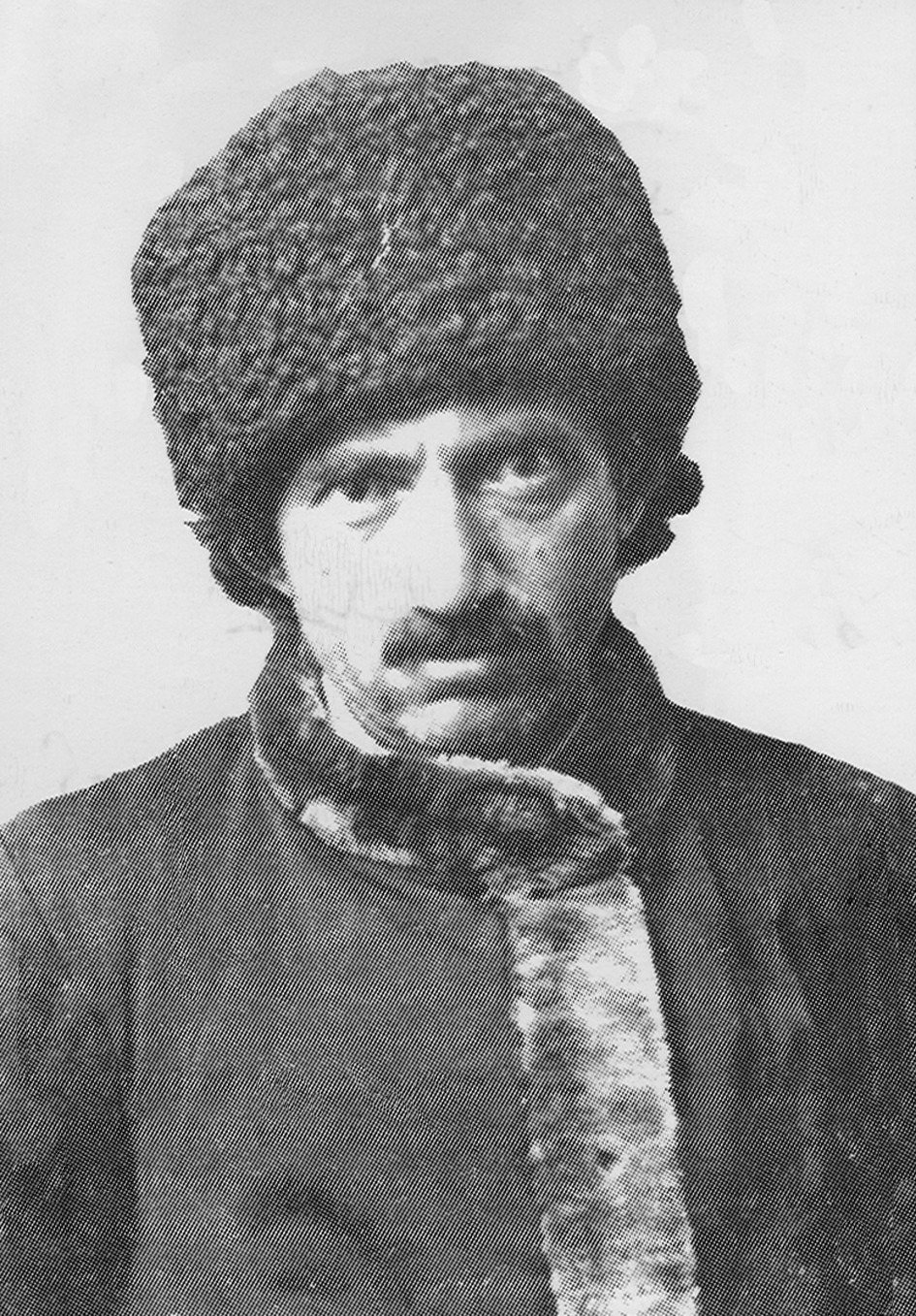
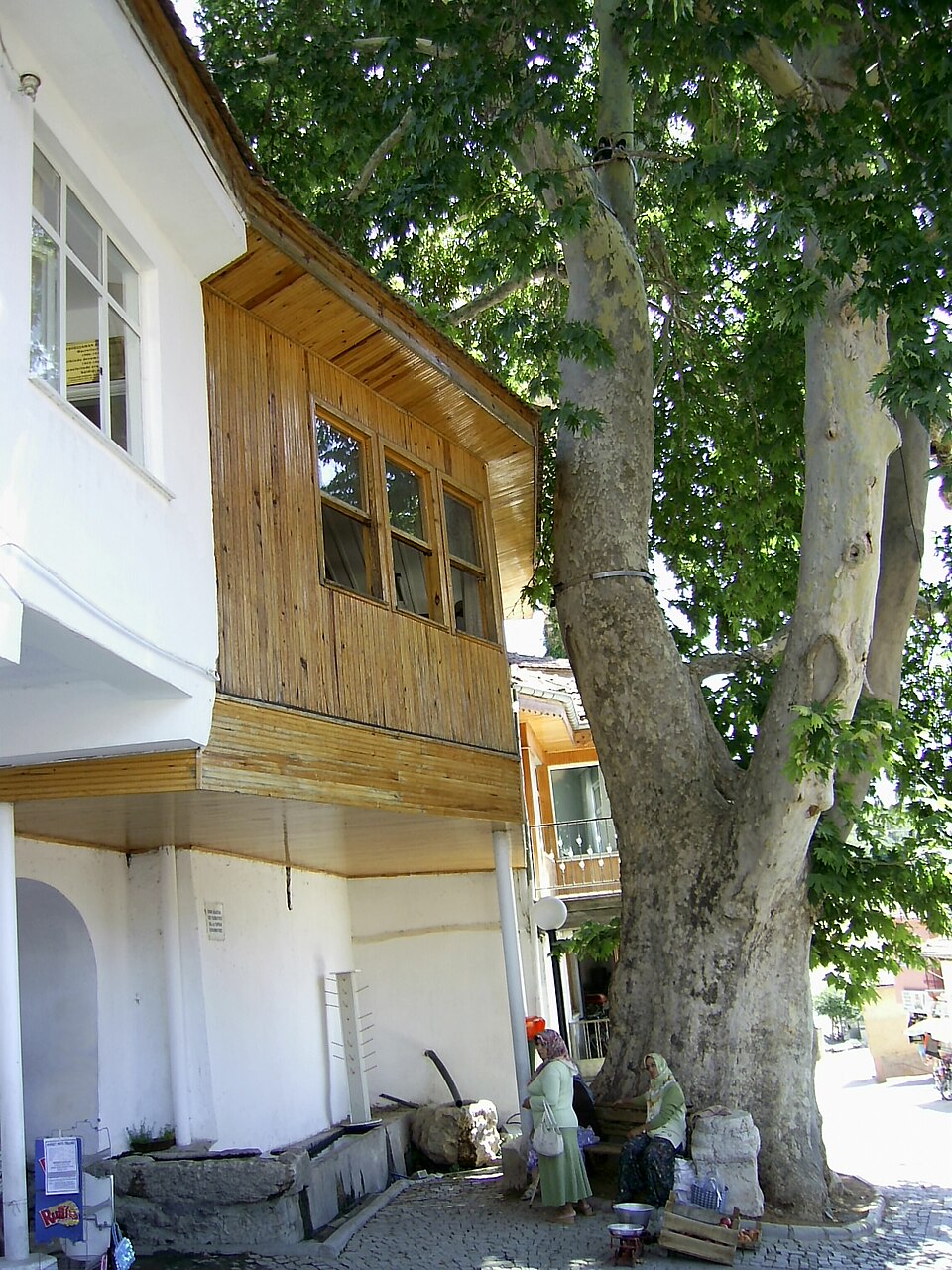
No free image of the Urfa grave site was found. His writings are likely in copyright in Turkey until 2030, so they are paraphrased with one short quote.
Reported events
Mastery of the madrasa curriculum in three months
By his own statement he read more than a hundred books in three months, works usually studied over fifteen years, and at Siirt he repeated a text of Hariri's Maqamat from memory after one reading.
Reported by Said Nursi himself in the Risale-i Nur Külliyatı; the Siirt story in Emirdağ Lahikası. Recorded His own autobiographical statements, decades after the events, as cited in the Diyanet Foundation encyclopedia.
The encyclopedia article repeats this while citing only his own writings. No independent examiner's record was found. An exceptional memory is well within human range, and rapid certification by a local shaykh was possible. The numbers cannot be checked.
His own statement, decades later, with no independent examiner. A strong memory is within human range, but the numbers cannot be checked. Reviewer's judgment, not a calculation.
Sources: Said Nursi; Bediüzzaman Said Nursî: Tarihçe-i Hayatı
Reprieve from a Russian firing squad
Tarihçe-i Hayat says he refused to stand for the Russian commander inspecting the prisoners, was sentenced to death by court martial, asked to pray, and was pardoned while at prayer by the commander, who apologized.
Bunların idam kararı, benim Ebedi Âleme seyahat etmem için bir pasaport hükmündedir
Reported by Tarihçe-i Hayat, compiled by his students; the commander is named as Nicholas Nikolaevich. Recorded Compiled for publication in the 1950s, about forty years after the event.
His captivity is accepted by the Diyanet Foundation encyclopedia. The firing squad story rests on the movement's biography, and no Russian record was found. Identifying the commander as the Grand Duke Nicholas needs checking. It is a story of courage more than a miracle.
The captivity is accepted, but this episode rests on the movement's biography about forty years on, with no Russian record found. The event itself is ordinary. Reviewer's judgment, not a calculation.
Sources: Bediüzzaman Said Nursî: Tarihçe-i Hayatı; Said Nursi
Repeated poisonings in prison
He and his students said he was poisoned several times in Denizli and at least three times in Afyon. His student Hafız Ali died in Denizli prison in 1944, and followers widely believed that he too was poisoned.
Reported by Said Nursi in his letters, and students in the official movement biography and Son Şahitler. Recorded His letters at the time, printed in Sualar and Emirdağ Lahikası.
The claim is contemporary and consistent within the movement, and his illness in prison is plausible at his age. No medical or toxicological record was found, and the movement biography itself presents Hafız Ali's case as belief. The Diyanet Foundation encyclopedia does not report it. Prison medical files, if they survive, would be decisive.
Scored is the poisoning, not the illness, which is plausible. His letters are close to the time but no medical record exists, and the same score goes to the Edirne poisoning. Known here only through a summary, so lowered by about 10. Reviewer's judgment, not a calculation.
Sources: Bediuzzaman Said Nursi: An Official Biography, ch. 5, Denizli; Bediuzzaman Said Nursi: An Official Biography, ch. 7, Afyon
Foretold by Ali and Abd al-Qadir al-Gilani
Nursi taught that hidden allusions in sayings of the Imam Ali and of Abd al-Qadir al-Gilani foretold the Risale-i Nur, and that his early sense of coming tyranny was a true presentiment.
Reported by Said Nursi and his students, in the Risale-i Nur and Tarihçe-i Hayat. Recorded His lifetime, printed by 1958.
This is an interpretive claim about old texts, read after the fact. It does not concern an observable event and is treated here as his own reading.
Event scored: that he taught this reading of old texts, in his own writings. Whether the old texts foretold him is interpretation and cannot be tested. Reviewer's judgment, not a calculation.
Disputes
- The Turkish courts charged him with exploiting religion, founding a secret society and a Sufi order, and opposing the reforms. Denizli acquitted him on 16 June 1944 (decision no. 199-136 per the movement's biography). Afyon convicted him under Article 163 on 6 December 1948, and the Ankara appeal court quashed that on 4 June 1949.
- The Afyon court cleared the writings in 1956 (decision given in Tarihçe-i Hayat as 23 June 1956, esas 954/278, karar 955/218), relying on an expert report from the Diyanet.
- The Tarihçe-i Hayat is a movement text. Vatan reports that its version of his ten-point 1922 statement differs from the letter in the Presidential Archive, with passages about Atatürk removed.
- Sources disagree on when and how he spoke in the Assembly: Vatan gives 9 November 1922 and a short prayer; a Risale translation gives 19 January 1923.
- Prosecutors at Afyon also called him a Kurdish nationalist.
- Russian courts banned his books as extremist. In Ibragim Ibragimov and Others v. Russia (28 August 2018) the European Court of Human Rights unanimously found a violation of Article 10.
- The Tarihçe-i Hayat cannot be treated as a neutral record of the trials, and independent copies of the judgments were not found.
Still unknown
- Where his body lies. A local researcher, Necmettin Şahiner, is reported to name a village cemetery near Isparta, and other claims circulate. The 1960 military orders, if they survive, would settle this. Turkish General Staff archives have not been opened.
- The original case files of Eskişehir, Denizli and Afyon. No scan was found. Only the movement's quotations were read.
- His birth year: his own record says 1295 AH (1878), while other works give 1873 or 1876.
- Ottoman asylum and Russian prisoner of war records. The Ottoman State Archives and Russian archives at Kostroma were not reached.
Records
Sources
primary
contemporary
hagiography
scholarly
reference