Foundress of Tenrikyo, called Oyasama. The faith teaches that she remains alive and at work at the Residence of Origin.
Her own verses survive in manuscript. Her life before 1860 rests on tradition recorded decades later, and independent police records were not found.
Ofudesaki manuscripts, from 1869 (written 18 years before their death)
Paper trail
Where they came from
Sanmaiden, Yamabe County, Yamato Province (now Tenri, Nara Prefecture, Japan) (documented)
Shoyashiki Village, now the centre of Tenri
First buried at Zenpuku-ji per Wikipedia; Greene describes a mound on a low hill above the village by the 1890s. The present grave is at Tenri, and the faith holds she lives on at the Foundress' Sanctuary.
Maegawa family; father Hanshichi, a musokunin of the Todo domain, mother Kinu. Married into the Nakayama family of Shoyashiki at about twelve. Greene describes farmers of modest means.
No recorded teacher. Followers point to 26 October 1838.
Illness in the family, poverty she chose after 1840, the death of her husband in 1853, and state pressure from 1874.
Local women who received safe childbirth from 1854; healing confraternities spread from the 1860s.
Life
Maegawa Miki was born in a village of Yamato and married into the Nakayama family at about twelve. She bore six children. In 1838, during a healing rite for her son Shuji, she spoke as a god, and on 26 October the family accepted that she be taken as the Shrine of God. Tenrikyo dates its founding from that day.
She gave away the family wealth, reducing the house to poverty. From 1854 she gave the Grant of Safe Childbirth, and her reputation for healing drew followers from the 1860s. From 1869 to 1882 she wrote the Ofudesaki, 1,711 verses in simple Japanese.
Official pressure began in December 1874, when Nara officials summoned her to Ensho Temple. Tenrikyo sources count seventeen or eighteen detentions in the next twelve years, the last at Ichinomoto police station in February 1886, when she was 89 by Japanese count. In 1882 police took the stones of the Kanrodai. She died in January 1887, and legal recognition followed only after her death.
Omiki lived and taught for fifty years.
Images
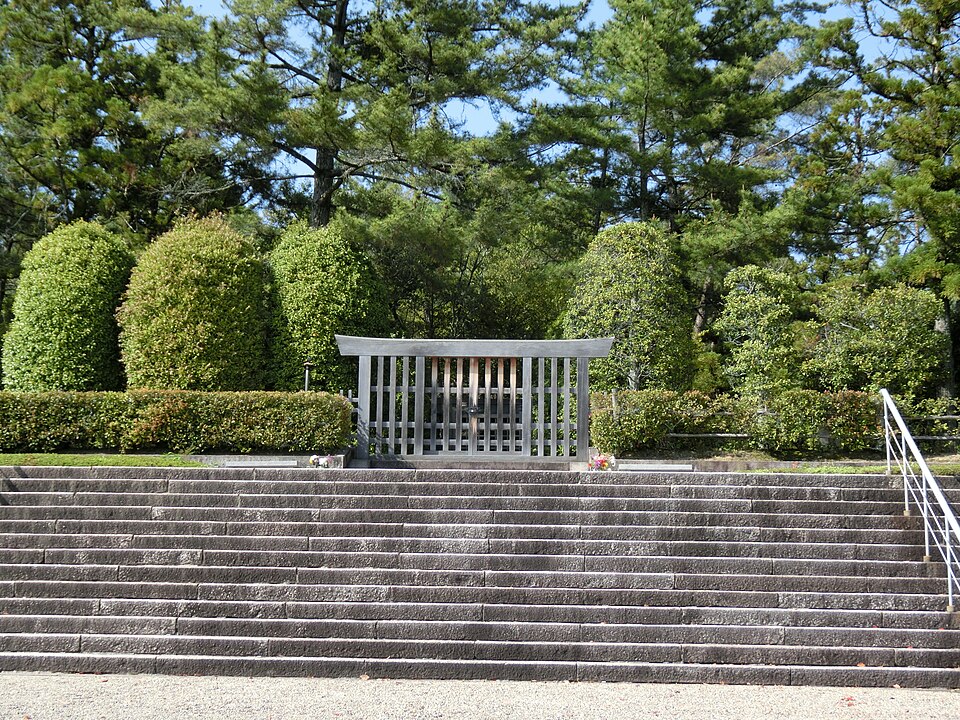
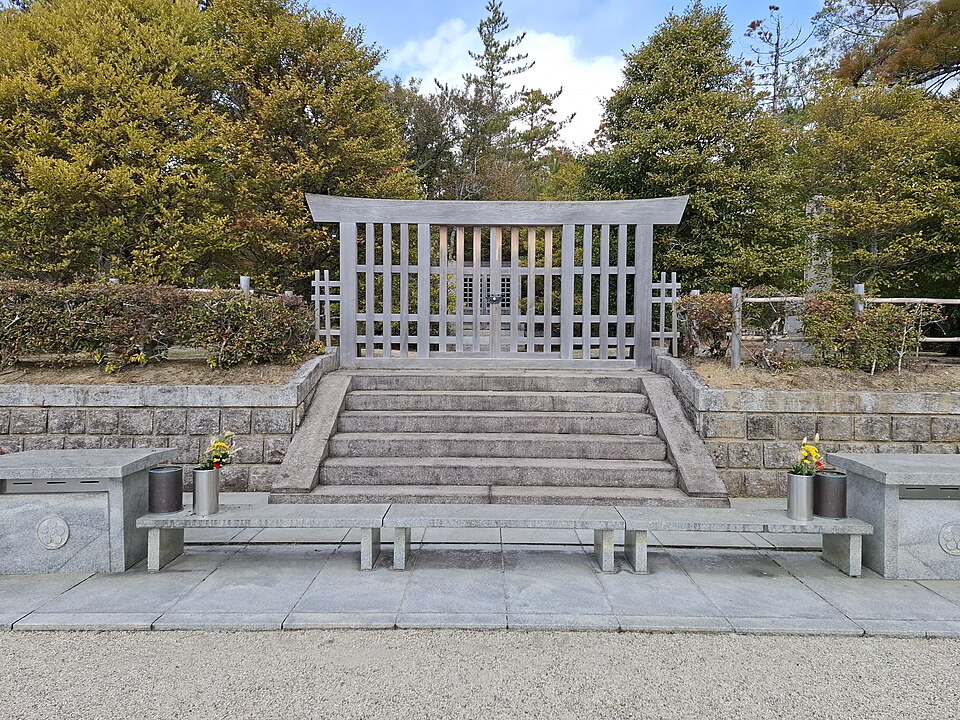
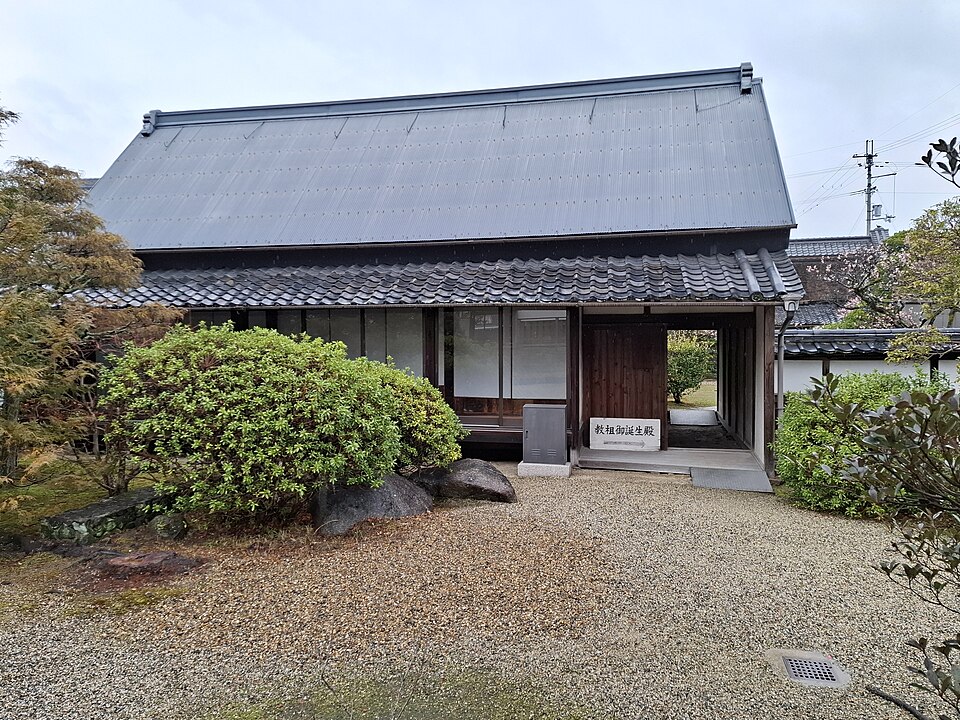
Portrait images on Commons (Miki Nakayama.JPG, 264px; an artistic portrayal) were left out because we could not authenticate them. We found no ban on depicting her, but the church should be asked.
Reported events
Taken as the Shrine of God
In October 1838, during an exorcistic rite for her son, a god spoke through her and demanded her as its shrine. After days of crisis, her husband consented on 26 October.
I am God of Origin, God in Truth.
Reported by Tenrikyo tradition; Greene's Tenrikyo informants, 1895.. Recorded Not recorded in our sources until well after the event; Greene printed the story in 1895..
Greene says outside critics accepted the story as substantially true apart from its supernatural features, but he had little information on her first fifty years. MacWilliams places it during an exorcism for her son, a known ritual setting for possession. Her stated experience is not independently attested in 1838.
Event scored: a possession experience during a rite for her son. Greene says critics accepted the outline, but it is first recorded here 57 years later, with no account from 1838. Reviewer's judgment, not a calculation.
Sources: Tenrikyo; or the Teaching of the Heavenly Reason; Brief History of Tenrikyo and Its Overseas Mission; Mission to the High Mountains; Nakayama Miki
The child with smallpox
Greene reports that Miki took in a neighbour's infant, that it fell ill with smallpox and that doctors gave it up. She prayed at all the temples and offered to give up two of her own children, and it recovered. Two of her daughters later died, which the story treats as the price paid.
She visited all the temples of the vicinity, both Shinto and Buddhist, with perfect impartiality
Reported by Tenrikyo believers, recorded by D. C. Greene, a missionary.. Recorded 1895, some decades after..
Greene's account is the earliest English record I found. He says he followed the story current among adherents, and calls it a story. Survival of smallpox was common. Tenrikyo's own histories should be compared.
A story current among adherents, printed decades later. Survival of smallpox was common and no name or record supports it. Reviewer's judgment, not a calculation.
The Grant of Safe Childbirth
From 1854 Miki stroked and breathed on women's abdomens three times and promised safe delivery, free of the customary postnatal restrictions.
Reported by Tenrikyo histories; Yumiyama and MacWilliams report her fame for safe childbirth and healing.. Recorded Tradition; scholarly summaries..
There is no doubt that this reputation drew followers in the 1860s. No case records are known to me. Giving up harsh postnatal customs may itself have helped mothers, a point worth testing.
Event scored: that she performed this rite and became known for it, which scholars accept. No case record is known, and most births end well in any case. Known here only through a summary, so lowered by about 10. Reviewer's judgment, not a calculation.
Sources: Brief History of Tenrikyo and Its Overseas Mission; Nakayama Miki; Tenrikyō
Writing by divine direction
The Ofudesaki is held to be God's word written by her hand; Yumiyama describes it as automatic writing over about fifteen years.
Reported by Nakayama Miki; Tenrikyo; Yumiyama Tatsuya.. Recorded 1869 to 1882, in her own hand..
The manuscripts survive, so this rests on physical evidence that she wrote the verses; who authored them is a matter of faith. Wikipedia reports from Tenrikyo works that police tried to seize them in March 1883 and that her grandson Shinnosuke said two women had already burned them, which conflicts with their survival unless copies were meant. This needs the Tenrikyo sources themselves.
Event scored: that she wrote these verses, which the surviving manuscripts support, though they were not seen. Who authored them is a matter of faith. Known here only through a summary, so lowered by about 10. Reviewer's judgment, not a calculation.
Still living at the Residence
Tenrikyo teaches that on her death she withdrew from physical life but remains everliving at the Residence of Origin.
Reported by Tenrikyo; Yumiyama.. Recorded From 1887..
A statement of belief and not an event, so there is nothing for a historian to test. Greene described her tomb in the 1890s.
Event scored: that Tenrikyo teaches this, not that it is so. The teaching is attested soon after 1887, and there is no event for a historian to test. Reviewer's judgment, not a calculation.
Sources: Tenrikyo; or the Teaching of the Heavenly Reason; Red Clothes (Akaki); Tenrikyō
Disputes
- Buddhist polemicists of the 1890s charged her with low morals and said her name stood in police records for gross immorality, as Greene reports. Greene thought the charge probably baseless and noted her followers described her imprisonment as religious persecution.
- Critics of the 1890s said the movement was the artificial work of designing men using her name, according to Greene.
- Scandal charges against followers, such as mixed dancing in the dark, were pressed by Buddhist writers. Greene judged them unjustified for the body as a whole.
- The state treated the group as unauthorised. In 1896 the Home Ministry issued hostile secret orders to police, after her death, and the church later reshaped its doctrine under pressure, withdrawing the Ofudesaki in 1939.
- Numbers of detentions vary: more than a dozen, seventeen or eighteen, or more than eighteen, depending on source. All the counts I read go back to the faith or to summaries of it. We found no police file.
Still unknown
- Police and prefectural files. Niida Kenji, 'The legal environment surrounding the foundress of Tenrikyo' (Tenri Journal of Religion, 1984) should cite them. Nara prefectural archives are the place to ask.
- Whether any photograph of her exists. Greene mentions photographs of the funeral; Commons has an image from a 20th-century book that we could not authenticate.
- Why Greene's date of death does not match, possibly an OCR error.
- The grandson's account of burned manuscripts.
Records
Sources
primary
contemporary
hagiography
reference