The only Rebbe of the Breslov Hasidim, who have never named a successor.
His teachings were printed in his lifetime, and his closest disciple wrote down the rest from first-hand knowledge. All of it comes through one devoted witness, and no government or medical record was found.
Likutei Moharan, printed 1808 (written 2 years before their death)
Paper trail
Where they came from
Medzhybizh, Ukraine (Miedzyboz, Poland) (documented)
Medvedevka, Bratslav and Uman, Ukraine
Old Jewish cemetery, Uman, Ukraine. Very heavily visited, above all at Rosh Hashanah.
Mother Feiga, a granddaughter of the Baal Shem Tov; father Simcha, son of Nachman of Horodenka. Born to the Hasidic elite.
Family and private study, solitary prayer in the fields around Ossatin. Nathan's accounts give intense childhood asceticism, known only from his devoted record. The turning point followers point to is the 1798 pilgrimage.
Tuberculosis, the death of his son in 1806, loss of his wife to the same disease per secondary accounts, a house fire in 1810, and long conflict with other rabbis.
Family lineage first. Then Nathan, who recorded and printed him from 1808, and who built the movement after 1810.
Life
Nachman was born in Medzhybizh in 1772, a great-grandson of the Baal Shem Tov through his mother Feiga. He married at about 14 and began to gather disciples at Medvedevka.
In 1798 he travelled to the Land of Israel, leaving when Napoleon's army came. After his return he clashed with other Hasidic leaders, above all the Shpola Zeide. In 1802 he moved to Bratslav, where Nathan Sternhartz became his scribe.
His son Solomon Ephraim, on whom he placed messianic hopes, died in 1806. He went to Lemberg for tuberculosis treatment, and told the great stories of his last years. Part 1 of his teachings was printed in 1808.
In spring 1810 he moved to Uman, where he met local maskilim, and died there during Sukkot. Nathan organized the movement, and suffered excommunication in 1835, denunciation and arrest. Pilgrims still come: in 1993 the idea of moving his remains to Israel was dropped after their protests.
Images
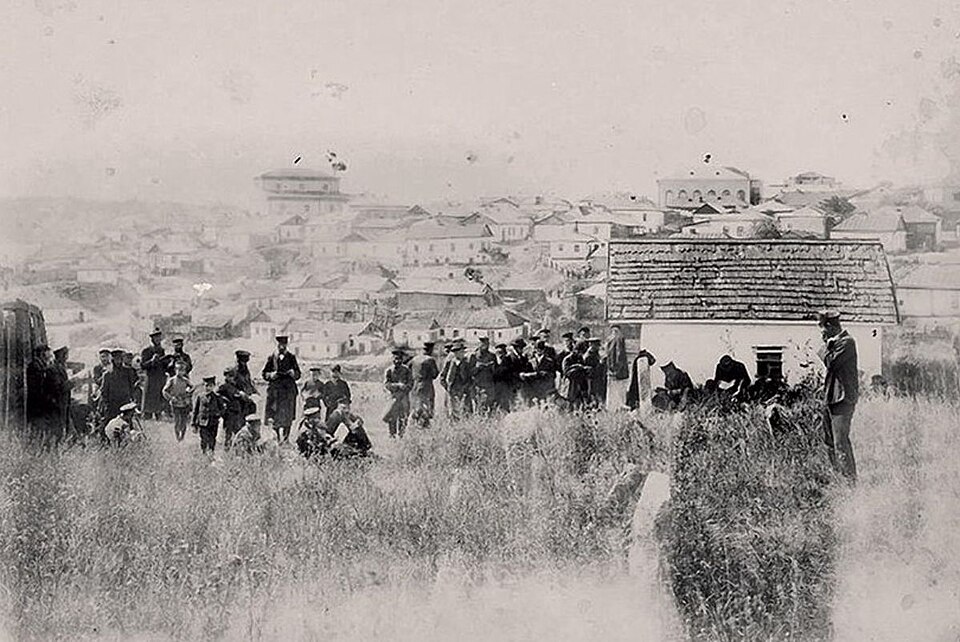
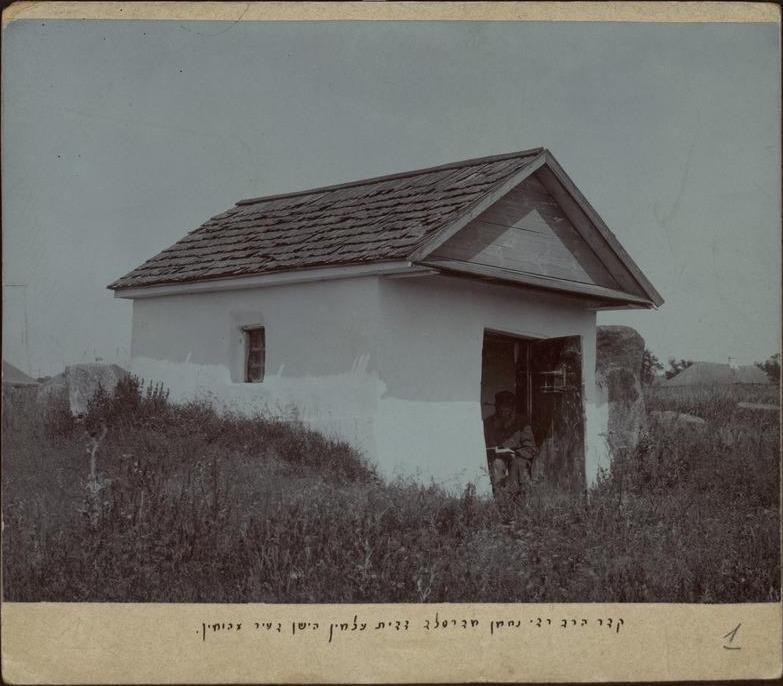
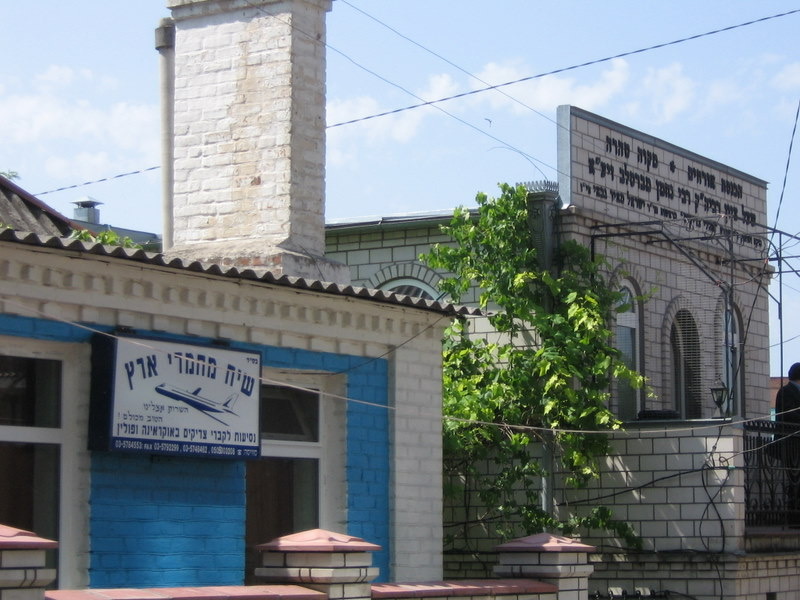
No portrait from life is known. Only image 1 reaches 1200 px for print.
Reported events
The promise at the grave
Nathan records that Nachman told those with him to bear witness: he would intercede for anyone who came to his grave, said the Ten Psalms and gave a penny to charity. A later Breslov work adds that he would pull them from hell by the earlocks.
I will intercede for anyone who comes to my grave
Reported by Nathan of Nemirov, his disciple, who says he discussed the teaching with him. Recorded Ten Psalms lesson first given 1805; the Psalms named about 1809-10 per the translator's notes; Nathan's text composed by 1817 per Sefaria, printed 1864.
Nathan is a close witness, and the promise drove a pilgrimage that continues: JTA reported 8,000 at Uman in 1996. That it was said is credible. Whether anyone is saved cannot be tested. The 'earlocks' words appear only in a later source, and are noted separately.
Event scored: that he made this promise, which a close disciple recorded within a few years. Whether anyone is helped by it cannot be tested. Reviewer's judgment, not a calculation.
Sources: Sichot HaRan (Rabbi Nachman's Wisdom), no. 141; Chasidim Converge on Grave in Ukraine for New Year's Rite
The child who would redeem
Nachman placed messianic hopes on his son Solomon Ephraim, born 1805. The child died in summer 1806. Afterward Nachman first revealed the Megillat Setarim, a coded scroll on the coming of the redeemer.
Reported by Breslov writings, as summarized by Encyclopaedia Judaica. Recorded Writings of Nathan; scroll published by scholars only recently.
The expectation failed in the plain sense. Encyclopaedia Judaica reports that the scroll survived despite Nathan's memoir saying it was lost; that shows how Breslov managed secrecy.
Scored as a foretelling, and it failed in the plain sense, as the child died in 1806. That the hopes existed is credible. Known here only through a summary, so lowered by about 10. Reviewer's judgment, not a calculation.
Sources: Nahman of Bratslav
Told from on high to go to Kamenets
Nathan's account says that before the 1798 pilgrimage Nachman left home suddenly, said he did not know where he was going, and in Medzhybizh was informed from on high to travel to Kamenets.
Reported by Nathan of Nemirov, from Nachman and others. Recorded Composed 1803-1817.
The journey itself is credible. 'Informed from on high' is Nachman's own interpretation, passed on by a devoted disciple who did not make the trip.
Event scored: the sudden journey and his own sense of being directed. It reaches us from a devoted disciple who was not on the trip. Reviewer's judgment, not a calculation.
Sources: Shivchei HaRan, with the account of his pilgrimage to the Holy Land
Greatest tzaddik of his age, and rival charges
Encyclopaedia Judaica says he considered himself above other tzaddikim of his generation and earlier ones, even the Baal Shem Tov. Opponents around the Shpola Zeide charged him with Sabbatian and Frankist leanings and persecuted his followers.
Reported by His own teachings; hostile Hasidic leaders, per reference works. Recorded Teachings printed from 1808.
These are claims about status, reported from both sides, and no miracle is involved. The charge of Frankism is a hostile accusation, not a finding.
Event scored: his claims of rank and the rival charges, reported from both sides. The charge of Frankism is an accusation and not a finding. Known here only through a summary, so lowered by about 10. Reviewer's judgment, not a calculation.
Disputes
- Rival Hasidim charged him with Sabbatian and Frankist leanings, a hostile charge.
- His claims of unique rank, including to rise above the Baal Shem Tov, were censored from printed Breslov works and survive in manuscript.
- Bratslav tradition holds that the maskilim of Uman nearly returned to faith; this is the movement's own view.
- Reference works disagree on dates: the Jewish Encyclopedia gives 1770-1811, and most others 1772-1810. JTA's 1996 report also mixes the massacres of 1648 with the later Uman massacre.
Still unknown
- No Russian imperial file on him or on Nathan's arrest was reached. Ukrainian state archives and Assaf's bibliography section 13 are the places to start.
- The contents of the book he ordered burned are unknown, and that story was not traced to a primary text.
- Whether the Lemberg physicians left any record.
- Why Sichot HaRan and Chayei Moharan differ from censored manuscripts in detail needs Zvi Mark's work, not read here.
Records

Sources
primary
contemporary
scholarly
reference