Canonized by the Russian Orthodox Church Outside Russia on 1 November 1964, and by the Moscow Patriarchate in 1990.
He left a published diary and letters, and press, police and follower letters document him in life. Healing evidence is abundant but uneven.
His own diary; the 1883 Novoe Vremya letter is the earliest public healing record (written 53 years before their death)
Paper trail
Where they came from
Sura, Arkhangelsk region, Russia (documented)
Kronstadt, and across the Russian Empire
Ioannovsky convent, St Petersburg, a pilgrimage site.
Hereditary clergy; his father was a poor village church reader (dyachok).
Seminary and Theological Academy. He graduated 35th of 39 in 1855, per Wikipedia.
Rural poverty in youth. Urban poverty and drunkenness in Kronstadt shaped his ministry, then the 1905 revolution his politics.
Kronstadt's poor first, then the 1883 letter, the national press, and pilgrims by rail from across the empire.
Life
Ivan Sergiyev was born in Sura near the White Sea to a family of poor village clergy. He studied at the seminary and at the St Petersburg Theological Academy, and from 1855 served at St Andrew's Cathedral in Kronstadt, marrying the former archpriest's daughter.
He worked among Kronstadt's poor, founded the House of Industry in 1882, and urged frequent communion. In 1883 sixteen people published a letter in Novoe Vremya testifying to healings through his prayer. Church leaders were uneasy, and the Synod debated it.
He became the most famous priest in Russia. His diary, My Life in Christ, was translated into English in 1897. In 1894 he attended the dying Alexander III at Livadia. Thousands of letters asked for his prayers.
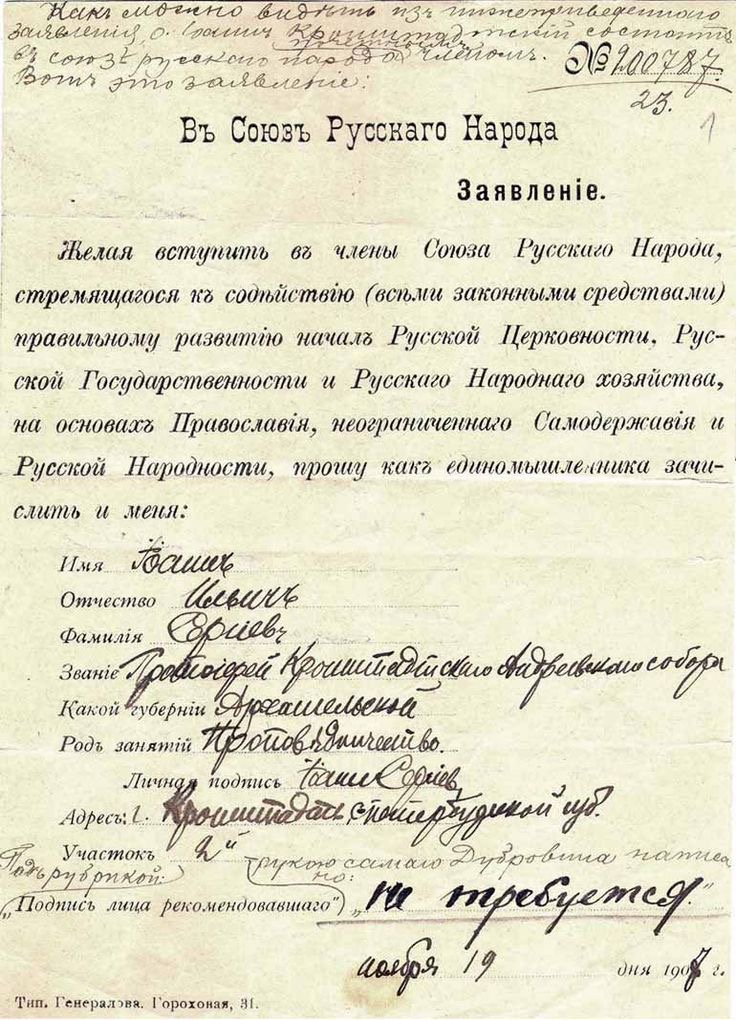
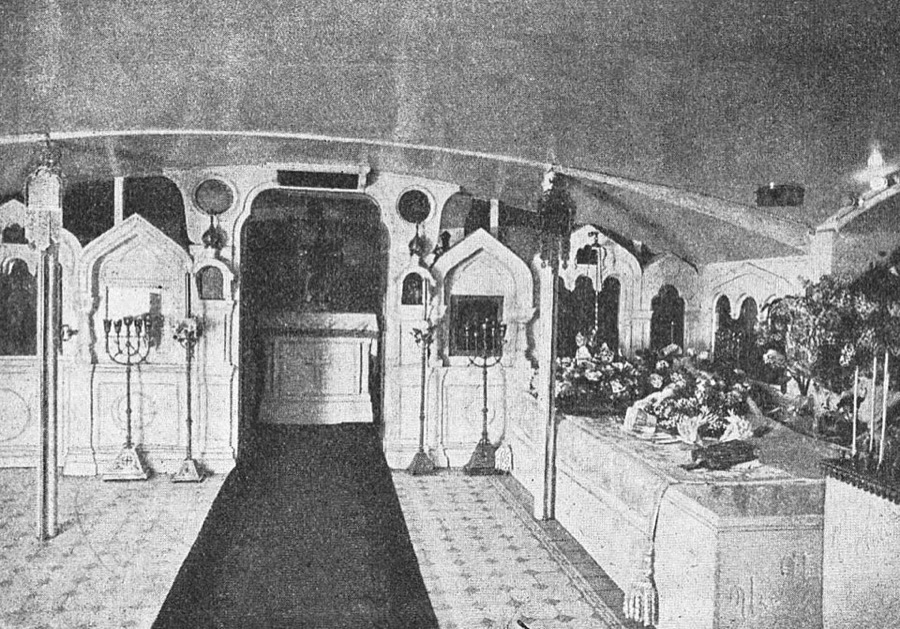
After 1905 he moved towards the radical right, blessing Union of the Russian People banners. A sect, the Ioannites, treated him as divine, which he condemned. He died in Kronstadt and was buried at the Ioannovsky convent in St Petersburg.
Instead of a Christian feast they held a foul murderous feast for Satan
forgive the reproach I addressed to you alone
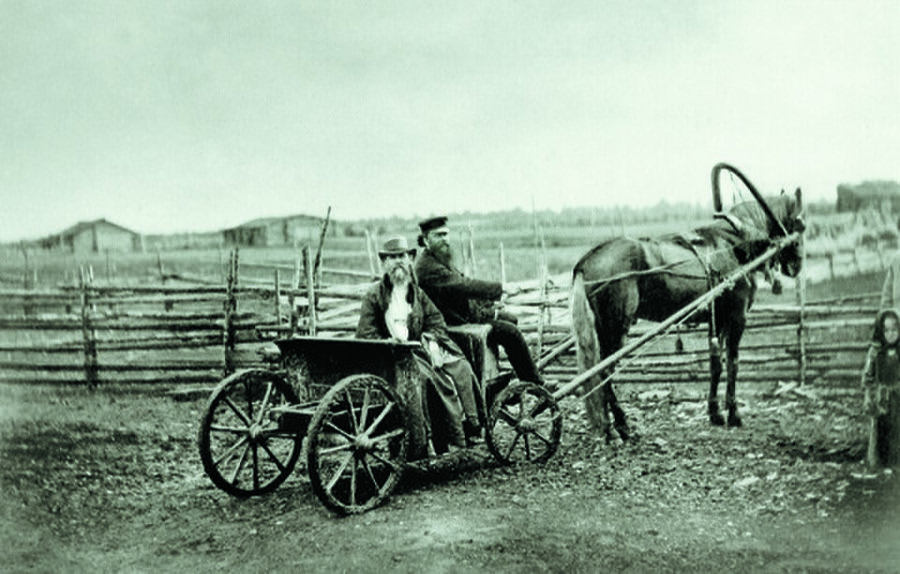
Images
Reported events
Healings by prayer
Sixteen people said in an 1883 newspaper letter that his prayers had healed them. Later reports said people were cured in person or by letter.
His extraordinary healing powers, and the spiritual and bodily cures effected by the faithful acceptance of his earnest consolations, are attested on all sides
Reported by Sixteen signatories in Novoe Vremya; a Times correspondent in 1891; his translator Goulaeff; thousands of letter writers. Recorded 1883 onward, in his lifetime.
This is real contemporary testimony, and Kizenko draws on thousands of follower letters. We could not read the 1883 letter itself. Patients are self-selected, and reports of failures circulate less. His presence did not save Alexander III.
Sixteen named signers in 1883 and a neutral press report make this strong testimony, though the letter itself was not read. The patients were self-selected, with no medical follow-up. Known here only through a summary, so lowered by about 10. Reviewer's judgment, not a calculation.
Sources: My Life in Christ; A Prodigal Saint: Father John of Kronstadt and the Russian People; John of Kronstadt
At the deathbed of Alexander III
He was summoned to Livadia in 1894 as the tsar lay dying. The tsar died.
Reported by Press and court accounts, summarised by Kizenko's publisher and Wikipedia. Recorded 1894.
A failed healing that nevertheless raised his fame, including abroad.
Event scored: that he was summoned and the tsar died. This was public, and no cure is claimed. Known here only through a summary, so lowered by about 10. Reviewer's judgment, not a calculation.
Sources: A Prodigal Saint: Father John of Kronstadt and the Russian People; John of Kronstadt
Letters and distant healing
Orthodox accounts say people were healed many times a day in his last years, including people who only wrote to him.
Reported by Later Orthodox calendar entry; a 1914 collection reported in search results. Recorded Mainly after his death.
Devotional and not tied to named cases in the source we read. Kizenko's archive of letters is where the actual evidence would be.
A devotional calendar entry with no named cases, so scored as unnamed wonders. Kizenko's archive of letters is where real evidence would be. Reviewer's judgment, not a calculation.
Sources: Glorification (1990) of Righteous John of Kronstadt
Disputes
- After the Kishinev pogrom of April 1903 he first condemned the killers of Jews. On 23 May 1903, after a visit from Kishinev recounted by the publisher Krushevan, he wrote asking Kishinev Christians to forgive his rebuke and blaming Jews. Both texts survive, printed by Gevorkyan and Stroganov and in his selected letters.
- He was an honorary member of the Union of the Russian People and blessed its banners.
- Benjamin Fedchenkov wrote that he refused sexual relations with his wife, who complained to church authorities (reported in Wikipedia).
- Leskov, Gorky and Korolenko criticised him. He attacked Tolstoy in violent terms.
- The Ioannites venerated him as Elijah or Christ; he condemned them, but their activity damaged his reputation.
Still unknown
- The text of the 1883 Novoe Vremya letter. National Library of Russia press collections should have it.
- The detail of police reports on the Ioannites, which Kizenko used.
- Which of the thousands of letters to him name medical conditions that could be checked.
Records
Sources
primary
hagiography
scholarly
reference