Honoured among Lakota as a holy man and healer. Servant of God in the Catholic Church; cause opened in the Diocese of Rapid City in 2017, now before the Vatican. No miracle has been reported in the sources we read.
He left dictated letters from 1885, stenographic interviews of 1931 and 1944, and photographs. His early vision is known only from those late interviews.
Letter in Iapi Oaye, February 1885 (written 65 years before their death)
Paper trail
Where they came from
Near the Little Powder River, Wyoming, USA (Marquette: Wyoming) (disputed)
Pine Ridge Reservation, especially Manderson and Oglala; missions across South Dakota and beyond
St Agnes Catholic Cemetery, Manderson, South Dakota. Present visiting not confirmed.
Big Road's band, in a lineage of healers all named Black Elk. Wives Katherine War Bonnet and Anna Brings White; children included Ben and Lucy.
Trained by elders in exile in Canada. Baptised 1904 and trained by Jesuits as a catechist. Followers point to the boyhood vision.
War, loss of the Black Hills, the Wounded Knee massacre, and the death of his first wife.
Lakota people as a healer from 1881, Catholics as a catechist from the 1900s, the wider world through Neihardt in 1932, and the diocese from a family petition of 2016.
Life
Black Elk was born into Big Road's band in a line of healers of the same name. Marquette notes that his birth year is contested. He told Neihardt that he had a great vision as a boy of about nine, and he was present at the Little Bighorn as a child. In Canada elders trained him as a healer, and he began to practise in 1881.
He toured Europe with Buffalo Bill's Wild West from 1886 or 1887, dictated letters printed in Iapi Oaye, and came home in 1889. He took up the Ghost Dance and was at Wounded Knee in 1890. In 1904 he was baptised Nicholas at Holy Rosary Mission after an encounter with Father Joseph Lindebner, gave up his healing practice, and became a catechist and travelling evangelist.
In 1931 he told his life to John Neihardt, whose daughter Enid took shorthand. Black Elk Speaks (1932) ended in 1890 and left out his Catholic life. A controversy led him to reassert his faith in two letters in 1934. He later spoke with Joseph Epes Brown for The Sacred Pipe and performed in a Black Hills pageant for tourists. He died at Manderson in August 1950.
Images
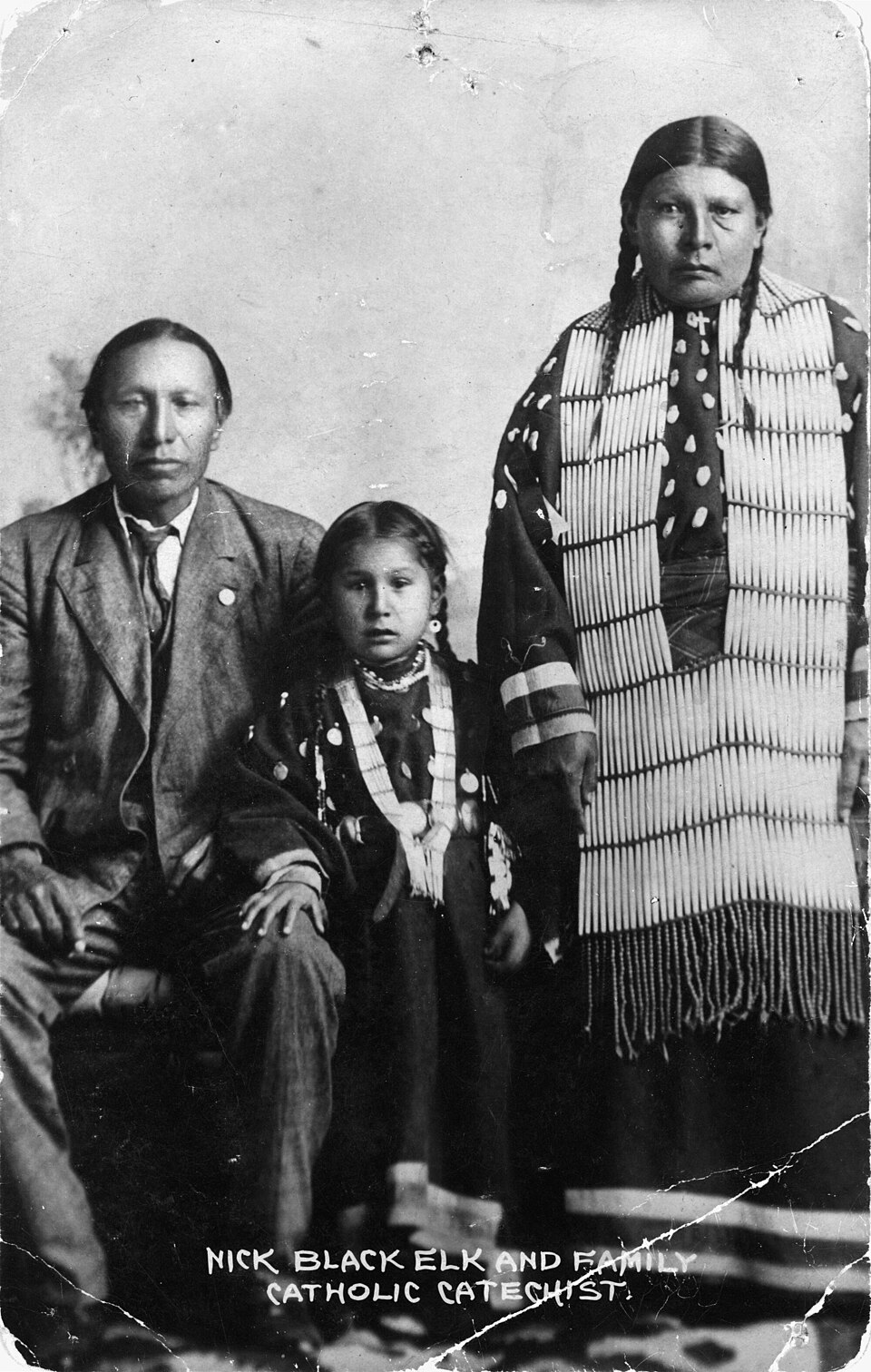
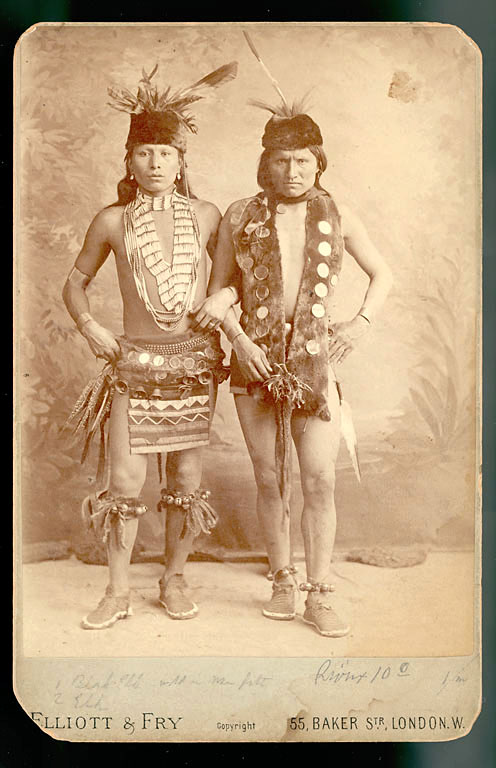
Image 1 is the better print file. Marquette holds other photos that need permission.
Reported events
The great vision
As a boy of about nine he fell ill and had a great vision of the Grandfathers. Marquette places him in it atop what is now Black Elk Peak.
Reported by Black Elk to John Neihardt, in Enid Neihardt's shorthand, 1931.. Recorded 1931, about 58 years after the event..
The record is first person but translated and later edited. DeMallie's Sixth Grandfather prints the shorthand transcripts, so the book can be compared with what was said. Black Elk's own view of the vision in 1931 cannot be separated cleanly from what he had lived through since. The transcripts themselves were not opened; only the edition's contents page was.
Event scored: the childhood vision as an experience. It is his own account, taken down about 58 years later and translated, and the transcripts were not opened. Known here only through a summary, so lowered by about 10. Reviewer's judgment, not a calculation.
Sources: The Sixth Grandfather: Black Elk's Teachings Given to John G. Neihardt; Nicholas Black Elk Collection: Scope and Content; Nicholas Black Elk Collection, Series 1: Articles and Letters
Healing as a medicine man
From 1881 Black Elk practised as a healer, and he was doctoring a child in 1904 when he met Father Lindebner.
Reported by Black Elk; Marquette archivist Mark Thiel, drawing on family and Jesuit records.. Recorded 1931; Marquette finding aid 2019..
That he practised is well attested by Catholic and Lakota sources. Outcomes are not recorded in anything I read. The Sixth Grandfather chapter titled Walking the Red Road covers these years and should be consulted.
Event scored: that he practised as a healer, which Catholic and Lakota sources support. No outcome of any treatment is recorded here. Known here only through a summary, so lowered by about 10. Reviewer's judgment, not a calculation.
Sources: Nicholas Black Elk Collection: Scope and Content; Nicholas Black Elk Collection, Series 1: Articles and Letters
Wounded at Wounded Knee
Black Elk was at the massacre of December 1890 and was hit by a bullet, by one account in the hip.
Reported by Black Elk to Neihardt; summarised by Wikipedia.. Recorded 1931..
His presence fits the record. We read only a summary, not the transcript chapter.
His presence fits the record. The wound rests on his own telling 41 years later, and nothing extraordinary is claimed. Known here only through a summary, so lowered by about 10. Reviewer's judgment, not a calculation.
Sources: Nicholas Black Elk Collection, Series 1: Articles and Letters; Black Elk
The northern lights at his funeral
Marquette reports that, as he had predicted, the night sky danced with an aurora on the nights of his wake and funeral, 17 to 19 August 1950.
Reported by Family and mission tradition, stated by Marquette archivist Mark Thiel.. Recorded Finding aid 2019; earlier source not found..
An aurora can be checked. Geomagnetic records for August 1950 and local weather should settle whether one occurred. The prediction itself needs an earlier source, for instance Lucy Looks Twice's memories printed by Steltenkamp.
First reached in a 2019 finding aid, from family and mission tradition. Both the prediction and the aurora are unconfirmed, though geomagnetic records could test the aurora. Reviewer's judgment, not a calculation.
The power he gave Neihardt
In 1934 Neihardt wrote from Manderson about an "alleged power" Black Elk gave him and about a long run of coincidences that were hard to explain. He called himself a sceptic.
alleged power
Reported by John G. Neihardt, in a letter.. Recorded 15 August 1934..
This is a private letter by a non-Lakota writer. It proves Neihardt's impression and nothing beyond it.
The letter survives and shows what Neihardt, a self-described sceptic, felt. It describes coincidences in general terms, and they were not recorded one by one. Reviewer's judgment, not a calculation.
Sources: Letter from John G. Neihardt to Comrade, August 15, 1934
Disputes
- Neihardt's book left out decades of Catholic work. Daughter Lucy Looks Twice wanted that corrected, as Steltenkamp reports. Critics have asked how far Neihardt altered or added to what was said.
- Scholars disagree about how his two religions fit together. Some see a real union, others strategic conversion. Pat Red Elk, his nephew, rejected the claim that his Catholicism was calculated, by Steltenkamp's report.
- Marquette says Neihardt's silence caused a local controversy and that the two 1934 letters reasserted his Catholic faith. Whether Jesuits pressed him to write is a question I could not settle; the letters are in the Holy Rosary Mission records.
- Some non-Catholic descendants see the Church as part of colonization but regard the cause as an honour, according to Father Joseph Daoust.
- Lakota tradition and the Catholic cause describe him differently, and this page does not rank them.
Still unknown
- His birth year. The diocesan historical commission looked into Wyoming.
- Whether the transcripts match the book at each point. DeMallie's edition answers this.
- The Vatican's file; the diocesan report was sealed and sent to Rome in 2019 by Becky Berreth's account.
- Whether the 1934 statements were dictated freely.
Records
Sources
primary
contemporary
scholarly
reference