Regarded by devotees as an incarnation of the divine. India issued a commemorative stamp in 1987.
Two literate close associates recorded her while she lived, from 1924 to 1925. They are devotees, and nearly no neutral source survives for the early years.
Gurupriya Devi's diary from 1925 (Bhaiji's Matri Darshan appeared in 1937) (written 57 years before their death)
Paper trail
Where they came from
Kheora, Brahmanbaria district, Bangladesh (Tipperah, Bengal Presidency) (traditional)
Dhaka 1924 to 1932; then north India, especially Dehradun, Varanasi and Kankhal
Samadhi shrine in the courtyard of the Kankhal ashram, Haridwar; visited by devotees
Bengali Brahmin parents. Married to Ramani Mohan Chakrabarti, whom she renamed Bholanath.
No teacher. The tradition says she initiated herself, and Lisa Hallstrom is cited for her remark that as guru she revealed the mantra. The account comes from her own words as kept by devotees.
Villagers at Ashtagram are reported as telling her parents that she had become hysterical. A long illness with fever and dropsy is mentioned by Bhaiji. No wider crisis is linked to her in the sources opened.
First her husband and a small circle at Shahbag, then Bhaiji, who named her, built the Ramna ashram and wrote Matri Darshan. Didi's diaries and the Bengali educated class carried the reputation, and the Indian political elite later came.
Life
Nirmala Sundari Devi was born at Kheora in Bengal, now Bangladesh, to the Brahmin couple Bipinbihari Bhattacharya and Mokshada Sundari Devi. About the age of twelve she was married to Ramani Mohan Chakrabarti, later called Bholanath. Bhaiji's account says she stayed silent for about three years after marriage, and the marriage is described as celibate.
In 1924 the couple moved to Shahbag in Dhaka, where Bholanath looked after the gardens of the Nawab. There her trance states drew followers, among them Jyotish Chandra Ray, called Bhaiji, who first saw her in December 1924 and who is credited with the name Anandamayi Ma, Joy-Permeated Mother. Gurupriya Devi, Didi, met her in 1925 and kept a diary for years.
An ashram was opened at Ramna in 1929, but she left Dhaka in June 1932 and spent fifty years moving between ashrams in north India. Bhaiji died at Almora in August 1937 after a journey to Mansarovar. Yogananda met her in Calcutta and wrote her up in his Autobiography.
She gave her last public darshan on 11 July 1982 and died at Kishenpur, Dehradun, on 27 August. Her body was laid in samadhi at Kankhal on 29 August, and Prime Minister Indira Gandhi attended.
Father, you have come!
Images
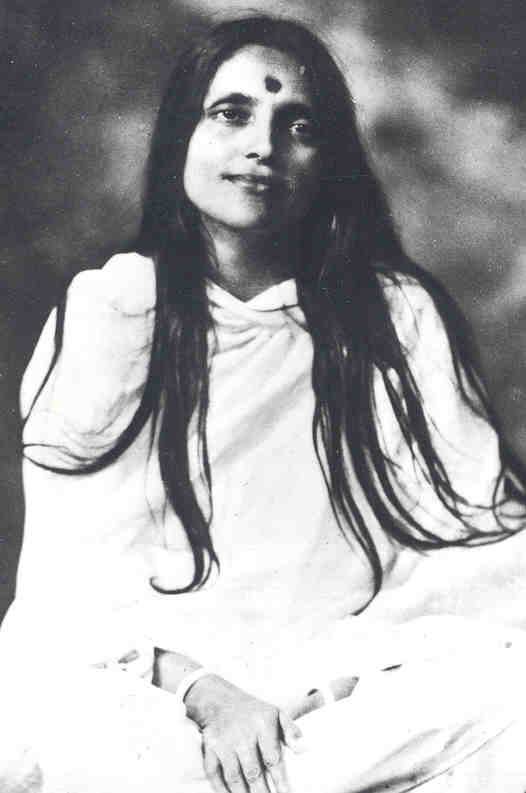
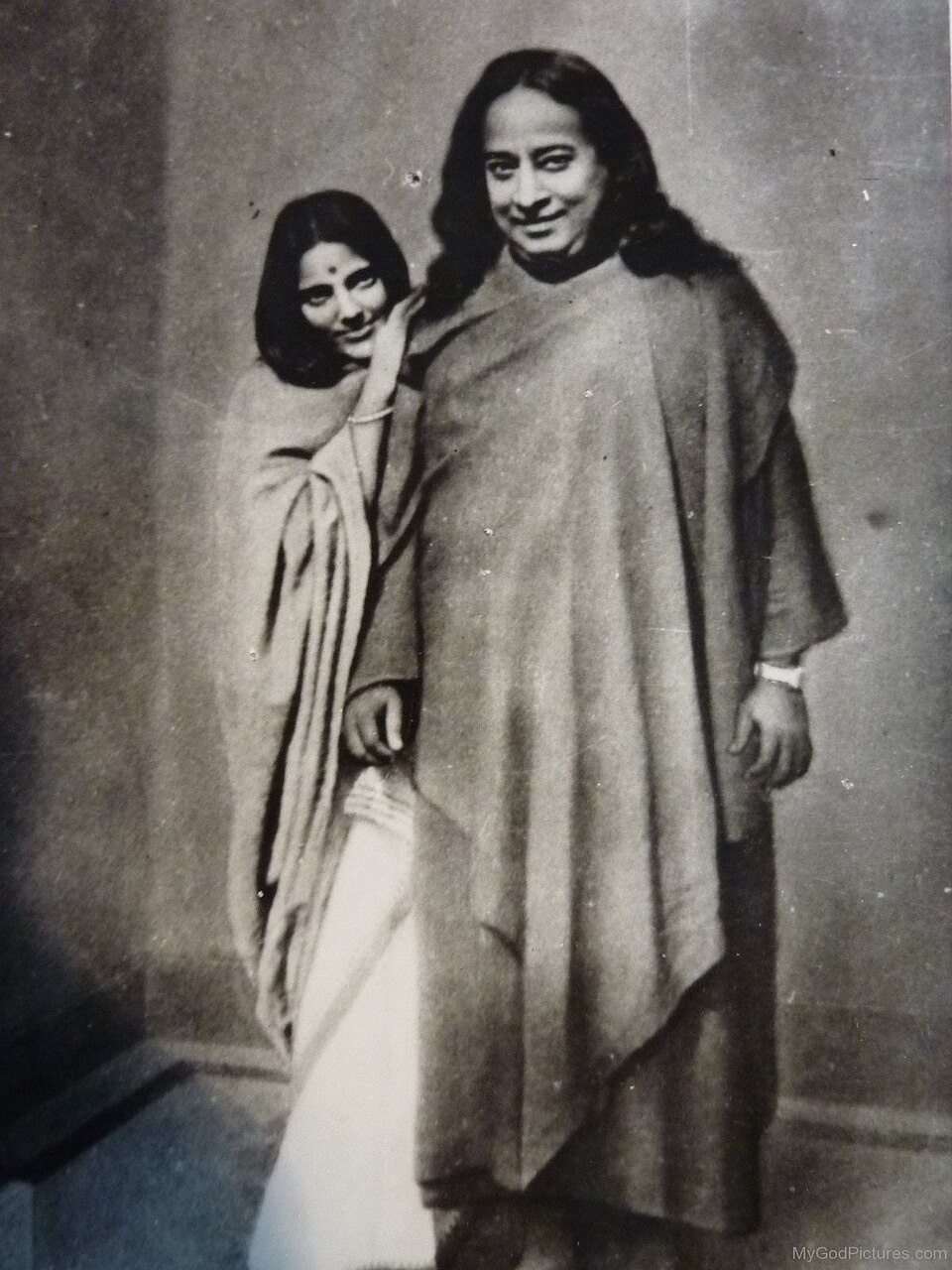
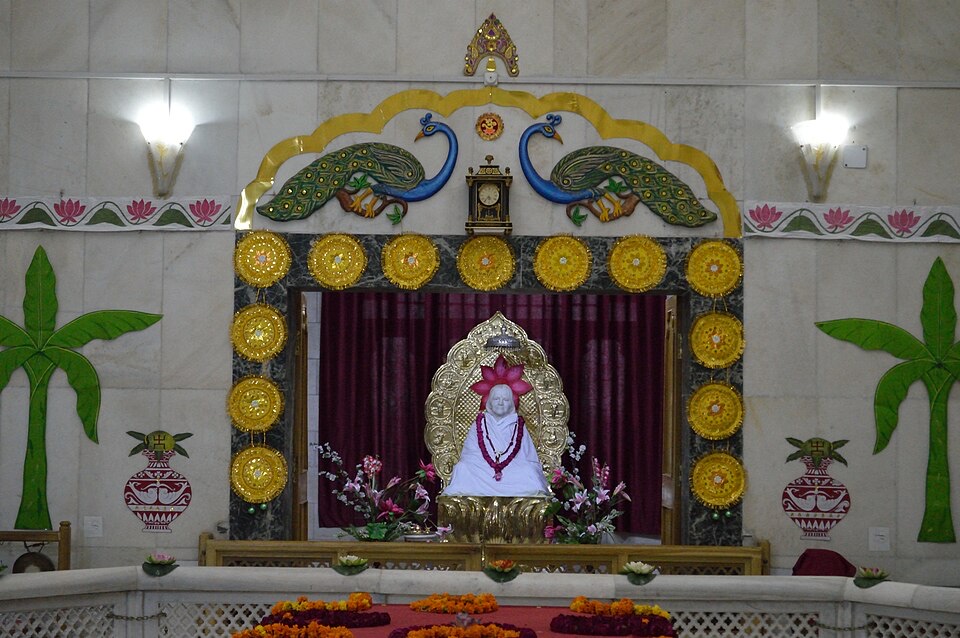
Reported events
Long samadhi states
Bhaiji describes absorption lasting ten to twelve hours in which breathing slowed or stopped and the body grew cold, and says he could not rouse her.
Reported by Bhaiji (Jyotish Chandra Ray), eyewitness and close disciple. Recorded Written by 1937.
Direct testimony from a close disciple and worshipper. No physician examined these states in anything opened. The trance states are consistently reported; their nature is not known.
The trance states are consistently reported. Scored is the slowed or stopped breathing, from one close disciple with no physician present. Reviewer's judgment, not a calculation.
Bhaiji's recovery from tuberculosis
Bhaiji fell ill on 4 January 1927 with an illness doctors called tuberculosis. He says her touch stopped his chest pains, and that on the crisis night he saw her at his pillow and slept deeply. He recovered.
All my pains subsided with the touch.
Reported by Bhaiji, the patient. Recorded Written by 1937.
First-person, and the diagnosis is unconfirmed by any medical record. The vision occurred in a grave illness. Remission is known in tuberculosis of the time, and he died ten years later of an illness caught on a journey.
The patient's own account, written ten years later, with the diagnosis unconfirmed. That he recovered is solid; the sudden relief at her touch rests on him alone. Reviewer's judgment, not a calculation.
Dying man at Jamshedpur
Yogananda's niece told him that she went to a dying man's bedside and touched his forehead, and that the death-rattle ceased and he was well.
as her hand touched his forehead, his death-rattle ceased.
Reported by Amiyo Bose, Yogananda's niece, as told to Yogananda. Recorded Published 1946; conversation c. 1935 to 1936.
Second-hand, unnamed patient and no diagnosis. Printed in a book that has a devotional purpose. Unverifiable.
Second-hand from a devotee, with no name, diagnosis or date for the patient. Scored as a sudden cure of a dying man, not a raising of the dead. Reviewer's judgment, not a calculation.
Sources: Autobiography of a Yogi, Chapter 45
Long periods of hardly eating
Attendants report that from about 1924 she could not feed herself and took tiny amounts, such as three grains of rice, and at times nothing for days. At other times she took unusually large amounts.
Reported by Bhaiji, relaying attendants and devotees. Recorded Written by 1937.
Fed by others, she was under constant care, so her intake was observed, but never measured or independently checked in anything opened. Reports of very low intake fall short of a claim of total fasting.
Attendants watched her closely but never measured intake. What is described is very low eating, not total fasting, and the source is devotional. Reviewer's judgment, not a calculation.
Foreknowledge of Bhaiji's bleeding
She is said to have told others she saw blood on people's lips before her husband came to say that Bhaiji was vomiting blood.
Reported by Bhaiji, who learned of the remark afterward. Recorded Written by 1937.
Reported after the event, by the patient and at second hand. The known severity of his illness makes the remark less striking.
Told after the event, by the patient, who heard of the remark afterward. His illness was already known to be grave, so the remark needs little foresight. Reviewer's judgment, not a calculation.
Disputes
- Early neighbours reportedly thought her hysterical, and her husband defended her. Devotional sources tell this story to show how she was misunderstood.
- Almost everything known of her first thirty years comes from devotees, and her own recollections reach us through them. Hallstrom's scholarly study was not read here.
- Orianne Aymard's 2014 fieldwork study, as reported in a review by Robin Rinehart, argues that the movement has declined since her death.
Still unknown
- Any contemporaneous medical record of her trances, fasts or final illness.
- Birth and marriage registers from Kheora and Vikrampur, now in Bangladesh.
- Whether any government file on her exists for the Dhaka years. The British Library has only a 1946 devotees' pamphlet under her name.
- Didi's Bengali diary in its complete form. Only part is in English, and later volumes depend on the ashram.
Records
Sources
primary
contemporary
hagiography
scholarly
reference